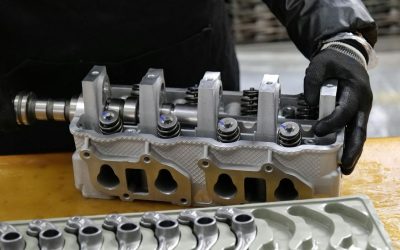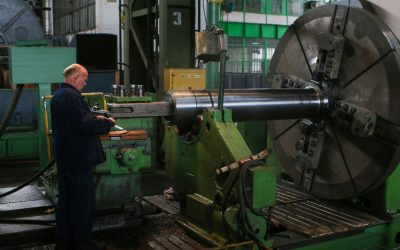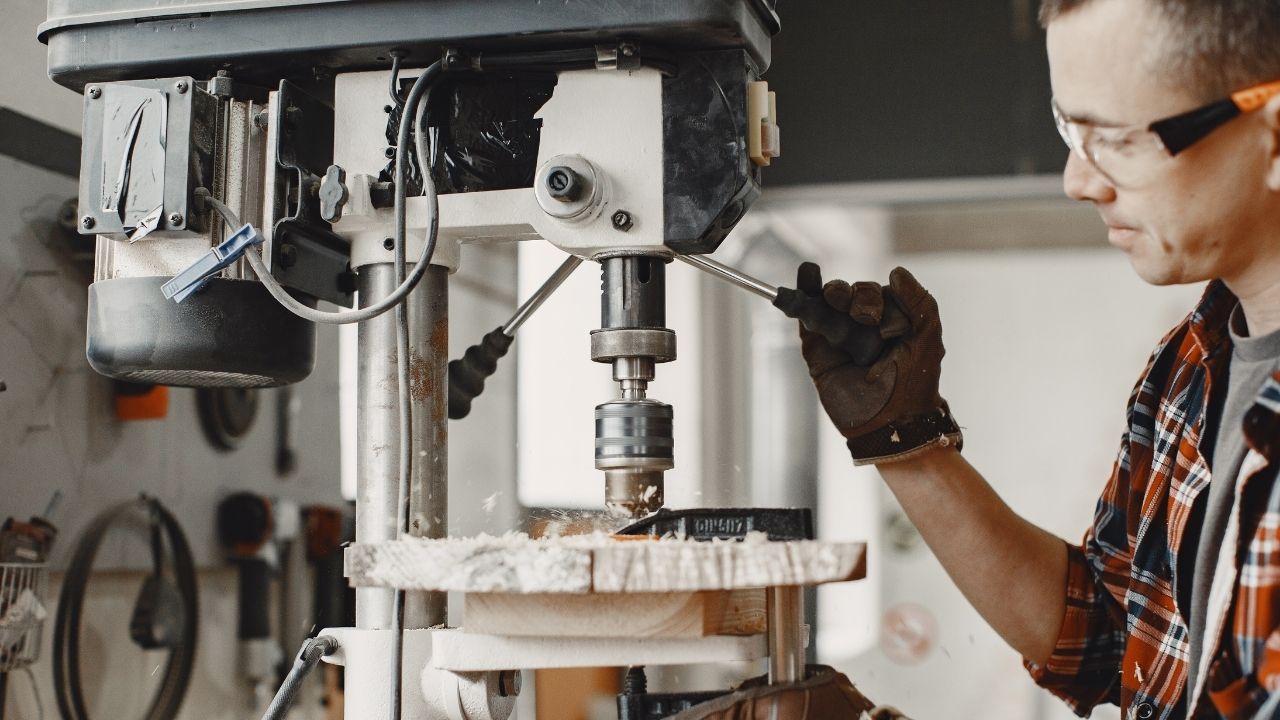
Engineering Foundations of Carbide Turning Tools
Carbide turning tools are at the heart of precision machining. They are specifically designed to remove material from metal workpieces efficiently while maintaining exceptional accuracy. Unlike traditional high-speed steel tools, carbide tools can handle much higher cutting speeds, offering a significant boost in productivity. What makes carbide unique is its combination of hardness and toughness. Tungsten carbide, the most common material used, is incredibly tough, allowing the cutting edge to maintain sharpness even under intense conditions. At the same time, it’s engineered to withstand sudden mechanical shocks without breaking.
The engineering behind these tools prioritizes balance. The tool must resist wear, withstand heat generated during cutting, and minimize deformation. Manufacturers often apply specialized coatings, such as titanium nitride or aluminum oxide, to improve durability and reduce friction. The geometry of the tool, its rake angle, clearance angle, and edge design, also play a critical role. These design choices influence chip formation, cutting efficiency, and surface finish. Understanding these foundations helps operators and engineers select the right tool for the task, ensuring both performance and cost-effectiveness.
Evolution of Carbide Tooling in Precision Machining
Carbide tooling has evolved dramatically over the past few decades. Initially, metalworking relied on basic high-speed steel tools that were prone to wear and could not handle high cutting speeds. <Carbide revolutionized machining by introducing tools that could maintain their sharpness under extreme conditions, handle harder materials, and deliver precise finishes consistently. <Carbide Over time, developments like micro-grain carbide, advanced coatings, and specialized geometries have further enhanced tool life and cutting efficiency.
Today, carbide tools are designed not just for durability but for innovative machining. They reduce heat generation, minimize vibration, and improve surface finish, making them ideal for industries like automotive, aerospace, and heavy engineering. Modern high-speed turning centers rely on carbide inserts to achieve high productivity without compromising quality. By understanding this evolution, operators can appreciate why carbide tools are the standard choice for high-precision and high-volume manufacturing operations.
Functional Role of Turning Tools in Metal Removal
Turning tools shape metal components by removing excess material in a controlled manner. Their primary function is to cut precisely along a workpiece, creating smooth surfaces and accurate dimensions. The process begins with the tool engaging the metal at a set depth of cut, removing layers in the form of chips. This might seem simple, but it requires careful coordination of cutting speed, feed rate, and tool geometry to achieve optimal results.
How well a tool can remove metal depends on how sharp, hard, and heat-resistant it is. Carbide tools excel in this area because they can maintain a sharper cutting edge longer than conventional tools, enabling faster production cycles. Additionally, the shape of the cutting edge affects chip formation, heat distribution, and surface finish. A well-designed tool removes material efficiently and prevents excessive stress on the workpiece, ensuring both safety and quality. Essentially, turning tools are the bridge between raw material and finished precision components.
Mechanical Loads and Stress Distribution at the Cutting Zone
When a carbide tool engages a workpiece, it experiences significant mechanical loads. These include forces in the cutting, radial, and axial directions, all of which can affect the tool’s performance. Understanding stress distribution is critical to prevent tool failure and maintain part accuracy. The cutting zone is where friction, heat, and pressure combine, and carbide’s hardness helps it resist wear and deformation under these high-stress conditions.
Stress isn’t distributed evenly; the tip of the cutting edge bears the maximum load. This is why precise geometry, material composition, and proper coating are essential. Coatings reduce friction, improve heat dissipation, and extend tool life, while the proper geometry ensures stress is spread more evenly along the edge. Operators can optimize tool life and machining efficiency by managing cutting parameters, such as speed, feed, and depth of cut. In essence, understanding mechanical loads helps maintain both tool and workpiece integrity while enabling smooth, accurate machining operations.
Performance Expectations in Modern High-Speed Turning
Modern high-speed turning demands tools that consistently deliver exceptional performance. Carbide turning tools meet these expectations by combining speed, precision, and durability. Operators today expect tools to maintain sharpness over long production runs, resist chipping, and provide superior surface finishes. High-speed turning also generates heat, so tools must handle thermal stress without losing accuracy or edge strength.
Performance isn’t just about the tool itself; it’s also about how it interacts with cutting parameters, coolant use, and machine rigidity. Carbide tools are designed to optimize this interaction, allowing higher cutting speeds while maintaining dimensional accuracy. In practical terms, the result means faster cycle times, reduced downtime, and lower overall production costs. Modern turning tools are no longer just cutting instruments; they’re high-precision engineering solutions that help manufacturers achieve consistent quality, higher efficiency, and reliable results in a competitive market.
Metallurgy and Microstructure of Cemented Carbide
Cemented carbide is a remarkable material used in cutting tools, mining, and industrial machinery. Understanding its metallurgy and microstructure is key to appreciating why it performs so well under harsh conditions. At its core, cemented carbide is a composite composed of extremely dense tungsten carbide (WC) particles and a metallic binder, typically cobalt. This combination imparts the material with both hardness and toughness, which are critical for cutting and wear-resistant applications.
The microstructure of cemented carbide is what makes it unique. Tungsten carbide grains are embedded in a binder-metal matrix, creating a balance between rigidity and flexibility. The size, shape, and distribution of these grains directly affect how the material behaves under stress. For example, smaller grains tend to produce higher hardness, which is ideal for precision cutting. Larger grains, on the other hand, improve toughness, reducing the risk of chipping during heavy-duty operations.
Manufacturing processes such as powder mixing, pressing, and sintering are carefully controlled to achieve the desired microstructure. Even small changes in temperature or pressure during sintering can influence grain growth and binder distribution, which ultimately affects performance. By understanding these microscopic features, manufacturers can tailor cemented carbide to meet specific industrial demands, whether it’s for aerospace components, automotive parts, or industrial cutting tools.
The metallurgy and microstructure of cemented carbide determine its strength, wear resistance, and durability. Proper control at this level ensures tools not only perform reliably but also last longer, providing consistent results in demanding environments.
Tungsten Carbide Grain Structure and Phase Composition
Tungsten carbide’s grain structure and phase composition are the heart of its exceptional performance. Each grain is a tiny crystal of WC, and how these grains are arranged affects everything from hardness to resistance against wear. Fine, evenly distributed grains produce a smoother, harder surface ideal for high-precision machining. Coarser grains make the material tougher, reducing the likelihood of cracking when struck.
Phase composition refers to the balance between the tungsten carbide phase and the metallic binder, usually cobalt. The carbide phase provides hardness and wear resistance, while the binder phase absorbs shocks and prevents brittle failure. A good mix makes sure the tool can cut quickly and handle heavy loads without breaking.
Modern manufacturing techniques allow precise control over both grain size and phase composition. During sintering, the WC grains partially dissolve and then reprecipitate, forming a strong bond with the binder. Controlling this process ensures uniform hardness and predictable performance. Even minor variations in phase distribution can lead to uneven wear or reduced tool life, so quality control is critical.
In essence, the grain structure and phase composition are the blueprint of tungsten carbide’s performance. By fine-tuning these microscopic details, manufacturers can create tools that deliver consistent, high-quality results across various industries.
Influence of Binder Content on Toughness and Wear
The binder in cemented carbide, typically cobalt, plays a critical role in determining toughness and wear resistance. While tungsten carbide grains provide hardness, the binder holds them together and absorbs impact forces. The amount of binder directly affects how the material responds under stress. Higher binder content increases toughness, reducing the chance of chipping or cracking during heavy-duty cutting. However, too much binder can reduce hardness, leading to faster tool wear during high-speed operations.
Finding the right balance is essential. For precision cutting or high-wear applications, a lower binder content is preferred, as it maximizes hardness and prolongs tool life. For applications involving impact or heavy loads, a higher binder content helps ensure the tool withstands sudden forces without breaking.
The interaction between binder content and WC grains also affects thermal stability. A well-optimized binder helps maintain structural integrity at high temperatures, which is especially important in industries such as aerospace and automotive manufacturing. Engineers often adjust binder levels based on the type of operation, speed, and the materials being machined.
In practical terms, understanding how binder content influences toughness and wear allows manufacturers to design cemented carbide tools that match specific industrial requirements. By achieving the perfect balance, tools can deliver both durability and precision, minimizing downtime and improving productivity.
Grain Size Optimization for Edge Stability
Grain size is one of the most critical factors affecting the stability of the cutting edge of cemented carbide tools. Smaller grains provide greater hardness and sharper cutting edges, ideal for precision machining and fine finishes. Larger grains, while slightly softer, help absorb impact forces, improving toughness and reducing the risk of chipping during heavy-duty operations.
Optimizing grain size requires careful control during powder preparation and sintering. Too much grain growth during sintering can weaken the edge, while overly fine grains may make the material brittle. Engineers balance these factors based on the tool type and the specific application. For example, milling tools may use medium-sized grains to combine sharpness with durability, whereas drilling tools may require slightly coarser grains to withstand impact forces.
Edge stability also depends on the uniformity of the grain structure. Uneven grains create weak points, which can lead to premature wear or edge failure. Advanced manufacturing techniques ensure consistent grain size and distribution throughout the material, providing predictable performance even in challenging industrial environments.
Grain size optimization is essential for achieving a balance between sharpness, toughness, and long-lasting edge stability. Proper control ensures tools perform consistently, reducing downtime and maintenance costs while improving overall productivity.
Microstructural Control for Consistent Tool Performance
Microstructural control is the secret behind consistent tool performance in cemented carbide applications. The arrangement of tungsten carbide grains and the distribution of the binder phase determine how a tool behaves under pressure, heat, and wear. Even minor variations in microstructure can lead to uneven cutting, accelerated wear, or unexpected failure.
The powder preparation process initiates the attainment of precise microstructural control. Homogeneous mixing ensures even distribution of WC and binder, preventing weak spots. During sintering, controlling temperature, time, and pressure allows grains to bond optimally with the binder. Post-sintering processes, such as grinding and polishing, further refine the microstructure to meet exact specifications.
Consistent microstructure ensures uniform hardness, toughness, and wear resistance throughout the tool. This is especially critical in industries such as aerospace and automotive manufacturing, where precision and reliability are non-negotiable. With proper control, tools maintain performance over time, even under high-speed or high-stress conditions.
In simple terms, microstructural control changes cemented carbide from a basic material into a carefully designed solution. By maintaining uniformity at the microscopic level, manufacturers can deliver tools that perform reliably, last longer, and meet the highest industrial standards.
Advanced Tool Geometry and Cutting Edge Design
Tool geometry plays a crucial role in modern machining. It’s not just about the shape of the tool; it’s also about how that shape interacts with the material being cut. Advanced tool geometry focuses on creating cutting tools that are precise, durable, and capable of handling complex machining tasks. By optimizing the angles, edges, and surface features of a tool, manufacturers can significantly improve cutting efficiency, reduce tool wear, and enhance the quality of the finished component.
Cutting-edge tool design doesn’t stop at shape alone. Modern tools often incorporate coatings and surface treatments that reduce friction, resist heat, and prevent material buildup. These features help maintain consistent cutting performance even under demanding conditions. Advanced design also considers the forces acting on the tool during machining, ensuring stability and reducing vibration. This not only improves accuracy but also extends the tool’s life.
The key takeaway is that investing in high-quality tool geometry translates directly into better machining outcomes. Components are produced with greater precision, surface finish is improved, and overall manufacturing costs are reduced due to fewer tool changes and less downtime. For anyone involved in metalworking, understanding and choosing tools with advanced geometry can make a noticeable difference in both productivity and quality.
Rake Angle Optimization for Material-Specific Machining
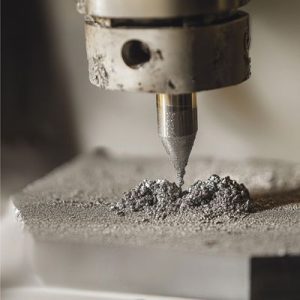 The rake angle is one of the most important aspects of a cutting tool. It is the angle between the tool’s cutting edge and the workpiece surface radius. Optimizing this angle for specific materials can dramatically improve machining performance. A positive rake angle, for example, reduces cutting forces and helps in machining softer materials like aluminum. A negative rake angle, on the other hand, adds strength to the cutting edge, which is ideal for harder materials such as stainless steel or titanium.
Choosing the right rake angle ensures smoother cutting, less heat generation, and reduced tool wear. For beginners, think of it like adjusting the blade of a knife depending on whether you are slicing soft bread or a tough vegetable. The right angle makes the job easier, safer, and more efficient. Advanced manufacturers often use simulations and material testing to fine-tune rake angles, making sure every cut is precise and every tool lasts longer.
By focusing on material-specific rake angles, machining becomes more predictable, energy-efficient, and reliable. This helps produce components that consistently meet quality standards while reducing production costs.
Clearance Angles and Their Impact on Tool Life
Clearance angles are the small angles between the tool and the workpiece that prevent the tool from rubbing against the material. Even a tiny miscalculation here can lead to excessive heat, tool wear, and poor surface finish. The proper clearance angle allows the cutting edge to engage the material efficiently while the rest of the tool glides smoothly over the workpiece.
The impact on tool life is significant. An adequately designed clearance angle reduces friction, minimizes stress on the cutting edge, and prevents the tool from overheating. This extends the tool’s usable life and maintains consistent performance over multiple machining cycles. On the flip side, too little clearance can cause rapid wear, while too much can weaken the cutting edge.
If you’re new to machining, consider the clearance angle as the space that allows a door to swing freely. Without it, the door scrapes against the frame. In the same way, a well-calculated clearance angle ensures the tool works efficiently, produces quality parts, and lasts longer.
Chip Breaker Engineering for Controlled Chip Formation
Chip formation is an essential part of any machining process. Uncontrolled chips can tangle around the tool, damage the workpiece, or even pose safety risks. That’s where chip breaker design comes in. A chip breaker is a feature on the cutting tool that breaks long, continuous chips into smaller, manageable pieces.
Proper chip breaker engineering helps control chip flow and shape, improving safety and efficiency. It also reduces heat generation, prevents tool clogging, and ensures a smoother surface finish. Different materials and cutting conditions require different chip breaker designs. For example, softer metals produce long, ribbon-like chips that need aggressive chip breakers, while harder metals generate short chips that require milder designs.
For beginners, understanding chip breakers is about keeping the cutting process clean, safe, and predictable. A well-designed chip breaker means fewer interruptions, better tool performance, and higher quality parts.
Nose Radius Selection for Surface Finish and Strength
The nose radius of a cutting tool is the radius of the rounded tip at the end of the cutting edge. It plays a vital role in determining both surface finish and tool strength. A larger nose radius increases the cutting edge strength, which is advantageous when machining tough materials or making heavy cuts. However, it may produce more tool pressure and require higher machine power. A smaller nose radius, on the other hand, provides a finer surface finish, making it ideal for precision work.
Choosing the right nose radius is all about balancing strength and surface quality. For delicate, detailed parts, a small radius ensures smooth, accurate results. For heavy-duty machining, a larger radius prevents edge chipping and tool breakage. Many advanced manufacturers experiment with different radii to optimize both productivity and finish quality.
The nose radius is not just a minor detail; it directly affects the efficiency, durability, and quality of machining operations. Selecting the correct size helps achieve the perfect balance between strong tools and excellent surface finish.
Precision Manufacturing of Carbide Turning Tools
Carbide turning tools are the backbone of modern manufacturing, delivering high performance, precision, and durability. Precision manufacturing of these tools starts with understanding the material itself. Carbide is extremely hard, allowing it to cut metals with incredible efficiency, but it also requires careful handling during production.
The process begins with carefully selected raw materials, ensuring the composition of tungsten carbide, cobalt, and other additives is just right for the intended application. Every batch is closely monitored to maintain consistent quality. Once the powder is prepared, it undergoes shaping and compaction to form the basic tool structure. The key to precision is minimizing any variations in density or material composition at this stage, as even minor inconsistencies can affect performance.
After forming, the tools undergo sintering, a high-temperature process that fuses the particles. This step is critical for creating a strong, uniform structure that can withstand high-speed machining. Following sintering, tools are ground to exact specifications, shaping cutting edges and profiles to tolerances often within a few microns. Finally, every tool is tested for sharpness, strength, and durability before it leaves the factory.
By focusing on every step, from raw material selection to final inspection, precision manufacturing ensures carbide turning tools not only perform efficiently but also last longer, saving time and cost for manufacturers.
Powder Processing and Controlled Compaction Techniques
Powder processing is the first step in making carbide tools and sets the foundation for tool performance. It starts with blending tungsten carbide powder with a binder, usually cobalt, to achieve the desired hardness and toughness. The goal is to create a homogeneous mixture in which every particle is evenly distributed.
Controlled compaction is the next critical step. The powder mixture is placed in molds and pressed under carefully monitored pressure. The pressure and compaction speed must be precise because uneven density can create weak spots in the final tool. These weak spots could cause premature wear or breakage during use. Advanced presses and automated systems help achieve uniform compaction, improving both strength and dimensional consistency.
By mastering powder processing and compaction, it’s possible to control the tool’s microstructure, ensuring consistent hardness, toughness, and cutting performance. This step may sound simple, but it’s a delicate balance of science and skill, and small changes in process parameters can significantly affect the final product. Properly processed powders and controlled compaction enable carbide tools to handle demanding industrial applications without failure.
Sintering Parameters for Density and Structural Integrity
Sintering is the high-temperature process that transforms a compacted powder into a solid, durable carbide tool. This step is vital because it determines both the tool’s density and structural integrity. During sintering, the pressed powder is heated below its melting point, allowing the particles to bond together and eliminate tiny voids.
Temperature, time, and atmosphere must be precisely controlled. Too low a temperature can leave the material weak, while too high a temperature can cause distortion or grain growth, affecting hardness and toughness. Similarly, uneven heating can create internal stresses, reducing the tool’s lifespan. Modern sintering furnaces allow for carefully programmed heating and cooling cycles, ensuring uniform density throughout the tool.
When done correctly, sintering produces a strong, homogeneous structure with high wear resistance. This ensures that the cutting edges remain sharp and that the tool maintains its shape even under high-speed, high-pressure conditions. Sintering is the process by which the tool gains the strength and durability required by industrial applications, making it a critical step in precision manufacturing.
Precision Grinding of Cutting Edges and Profiles
Grinding is when the carbide tool takes its final shape, and precision is key. After sintering, tools are tough, so grinding requires specialized equipment and techniques. Diamond-coated grinding wheels are often used because they can cut through carbide without causing cracks or chipping.
The goal is to create sharp cutting edges with the exact geometry required for specific machining tasks. Even a tiny deviation in edge angle can impact performance, tool life, and the quality of the workpiece. Controlled coolant flow is used during grinding to prevent overheating, which could damage the tool. Automated CNC grinding machines help achieve consistent profiles, while skilled operators ensure final adjustments meet tight tolerances.
Precision grinding is also where different tool designs are implemented, from standard turning inserts to complex custom profiles. The result is a tool that cuts efficiently, minimizes vibration, and provides consistent performance across different materials and machining conditions.
Dimensional Control for Micron-Level Accuracy
For carbide turning tools, even a fraction of a millimeter can make a difference. That’s why dimensional control is so critical. Every tool is measured using high-precision equipment, such as coordinate measuring machines (CMM) and optical comparators, to ensure the exact dimensions are achieved.
Micron-level accuracy is essential for modern machining, where tolerances are incredibly tight. Any deviation can lead to poor surface finishes, tool chatter, or faster wear. By maintaining strict dimensional control, tools consistently perform as expected, reducing downtime and scrap for manufacturers.
Dimensional inspection isn’t just about measurement; it’s also about process feedback. If deviations are detected, adjustments are made in real time to maintain consistent quality across batches. This commitment to precision ensures that every carbide turning tool leaving the factory meets the highest standards, giving machinists and engineers who rely on them confidence in critical operations.
Coatings and Surface Engineering Technologies
Coatings and surface engineering are game-changers in modern manufacturing. These technologies don’t just make components look good; they actually enhance performance, protect materials, and extend the life of tools and machinery. Whether it’s reducing friction, improving wear resistance, or protecting against heat, coatings play a critical role across industries such as automotive, aerospace, and heavy machinery.
At their core, coatings act as a barrier between the working environment and the underlying material. This prevents damage caused by heat, friction, corrosion, or chemical reactions. With advanced surface engineering techniques, it’s possible to tailor these protective layers for specific applications. This means a component can handle extreme temperatures, resist abrasive wear, or reduce adhesion, making machines more efficient and cost-effective.
The real benefit of coatings and surface engineering lies in their ability to improve overall performance while reducing maintenance costs. Instead of frequent part replacements, a coated or surface-engineered component can last longer, operate more efficiently, and maintain consistent quality over time. For manufacturers and engineers, this technology is a wise investment in reliability and durability.
Today, techniques like PVD (Physical Vapor Deposition), CVD (Chemical Vapor Deposition), and multi-layer coatings are pushing the boundaries even further. By understanding and applying these technologies, manufacturers can create components that not only meet industry standards but also often exceed them.
Role of Coatings in Thermal and Wear Protection
When a machine part operates under high stress, heat and friction are often the biggest enemies. Coatings provide a protective shield that minimizes these effects. Thermal protection coatings, for instance, act as heat barriers. They prevent the base metal from overheating, reducing the risk of deformation, cracking, or early wear. This is particularly important in industries like aerospace and automotive, where parts are exposed to extreme temperatures.
Wear protection coatings, conversely, are designed to minimize material loss resulting from friction, abrasion, or erosion. By providing a robust, durable surface layer on tools or components, these coatings substantially prolong the lifespan of the parts. Think of a cutting tool that stays sharp for a long time or a gear that works well without wearing out too soon; these results are possible thanks to these coatings.
A key advantage is cost efficiency. High-performance coatings reduce the frequency of replacements and maintenance, saving both time and money. They also improve operational efficiency since machines can run at higher speeds or under more demanding conditions without compromising safety or performance.
Ultimately, coatings in thermal and wear protection aren’t just an add-on; they’re essential for achieving reliability and long-term performance in modern manufacturing. They allow machines and tools to push limits while staying protected.
PVD and CVD Coating Technologies Explained
PVD (Physical Vapor Deposition) and CVD (Chemical Vapor Deposition) are widely used coating technologies that transform surface performance. Both methods deposit thin, complex layers onto a component, but they work in different ways.
PVD involves vaporizing a material and condensing it onto the component surface in a vacuum chamber. This creates a uniform, tough coating. It’s ideal for parts that need high wear resistance, reduced friction, and enhanced aesthetics. Tools like drills, molds, and cutting blades often benefit from PVD coatings, which help maintain sharpness and precision under heavy use.
CVD, on the other hand, uses chemical reactions at high temperatures to form a solid coating directly on the surface. This method can create powerful, heat-resistant layers, making it suitable for high-temperature applications such as turbine blades and engine components. CVD coatings are excellent at providing both thermal protection and corrosion resistance.
Both technologies can be customized to meet the required material, thickness, and protection type. Choosing between PVD and CVD depends on factors like operating temperature, wear conditions, and desired durability. Understanding these methods helps engineers design components that are more reliable, efficient, and long-lasting.
Multi-Layer Coatings for Extended Tool Life
Single-layer coatings are effective, but multi-layer coatings take performance to a whole new level. By stacking layers of different materials, it’s possible to combine multiple protective properties into a single component. For example, the base layer might provide adhesion, the middle layers might offer wear resistance, and the top layer might reduce friction.
Multi-layer coatings are especially beneficial for cutting tools, molds, and industrial machinery. These parts often face a combination of heat, wear, and chemical exposure, and a single-layer coating might not be enough to handle all challenges. Multi-layer coatings distribute stress more evenly, improve durability, and prevent early failure.
Another advantage is that they allow fine-tuning of surface properties. Manufacturers can adjust layer thickness, composition, and sequence to achieve the desired performance. This means longer tool life, reduced downtime, and higher productivity. Multi-layer coatings aren’t just about protection; they’re about optimizing performance for demanding industrial applications.
Surface Engineering for Reduced Friction and Adhesion
Friction and adhesion can make machines work harder than necessary, leading to energy loss, wear, and overheating. Surface engineering addresses this by modifying the surface texture and chemistry of components to reduce resistance and stickiness.
Techniques such as laser texturing, surface polishing, and advanced coatings help create surfaces with minimized friction. Reduced friction means less heat generation and smoother operation, which is crucial in automotive engines, industrial machinery, and precision tools. Reducing adhesion also prevents material buildup on surfaces, which can cause inefficiency or even failure.
Surface engineering doesn’t just improve performance; it also enhances efficiency. Machines run smoother, components last longer, and energy consumption is lower. In industries where precision and reliability are critical, surface engineering can make the difference between success and frequent downtime.
By combining coatings with surface engineering techniques, manufacturers can create parts that not only survive extreme conditions but also perform optimally under them. This is the essence of modern manufacturing excellence.
Machining Performance in High-Speed Turning
High-speed turning is all about precision, efficiency, and tool longevity. The performance of a machining operation depends on how well you balance cutting parameters, tool material, and machine stability. Carbide turning tools excel in this environment because they can maintain sharpness at high speeds and handle the intense heat generated during cutting. At its core, high-speed turning isn’t just about cutting faster; it’s about cutting smarter. Optimizing the tool geometry, speed, feed, and depth of cut ensures consistent part quality, reduces wear, and improves production efficiency.
A key aspect of performance is understanding how forces act on the cutting edge; at higher speeds, friction and heat increase, which can cause thermal expansion and affect tolerances. Carbide tools, with their heat-resistant properties, minimize these effects, allowing smoother, more accurate cuts. Monitoring and controlling vibrations is another critical factor. Even minor chatter can compromise surface finish and tool life. With the proper setup, high-speed turning can achieve faster cycle times, better surface quality, and reduced operational expenses.
Ultimately, successful high-speed turning relies on careful planning and execution. Knowing the material you’re cutting, adjusting cutting parameters, and using quality carbide tools ensures the operation runs efficiently. This combination of speed, precision, and tool management forms the foundation of modern high-speed machining, giving manufacturers a competitive edge in industries where accuracy and productivity are non-negotiable.
Cutting Speed, Feed, and Depth Optimization
The secret to successful turning lies in optimizing three main cutting parameters: speed, feed, and depth of cut. Cutting speed is how fast the tool moves across the workpiece, feed is the distance the tool advances per revolution, and depth of cut is the amount of material removed in one pass. Each parameter affects not just productivity but also surface finish, tool life, and dimensional accuracy.
Finding the right balance is crucial. If the speed is too high, heat buildup can damage the tool or workpiece. Too slow, and productivity suffers. Feed rate impacts chip size and tool stress; a higher feed rate removes more material but increases cutting forces. Depth of cut determines how aggressive the material removal is; a deeper cut can save time but increases tool load and vibration. Carbide tools are designed to handle these variations effectively, allowing operators to push cutting limits without compromising quality.
Optimization is often a trial-and-error process guided by experience, material properties, and tool capabilities. Modern machining centers also provide data-driven insights, helping fine-tune these parameters for each job. The goal is always the same: maximum efficiency, minimal wear, and consistent, high-quality finished parts.
Thermal Management at Elevated Machining Speeds
Heat is the biggest challenge in high-speed turning. The faster a tool moves, the more friction it generates at the cutting zone, which can affect the tool, the workpiece, and the overall accuracy of the part. Carbide tools are highly heat-resistant, but even they need proper thermal management to maintain performance.
Coolants and lubricants are essential. They help remove heat, reduce friction, and prevent surface damage. Modern machining techniques often use high-pressure coolant jets directed at the cutting zone, which dramatically improves tool life and surface finish. Tool coatings, such as titanium nitride or aluminum oxide, also help reduce friction and protect the cutting edge from heat-induced wear.
Temperature control isn’t just about preventing tool damage. Excessive heat can cause dimensional changes in the workpiece, leading to tolerance issues. Proper thermal management ensures stability, reduces the risk of material distortion, and allows higher cutting speeds without sacrificing accuracy. It’s the difference between a tool that lasts a few hours and one that performs reliably for thousands of parts.
Chip Formation Dynamics and Evacuation Efficiency
In turn, the way chips form and move away from the cutting zone directly impacts efficiency and surface finish. When a tool cuts into metal, the removed material curls into chips. Efficient chip formation reduces cutting forces, minimizes heat, and prevents tool damage.
The shape and size of chips are influenced by tool geometry, cutting speed, feed rate, and material hardness. Short, broken chips are easier to evacuate and pose less risk of damaging the workpiece or tool. Long, stringy chips can tangle around the tool or spindle, slowing production and increasing downtime. Carbide tools with optimized geometry help produce consistent chips and direct them away from the cutting zone.
Proper chip evacuation also protects the machine and operator. Many high-speed turning setups use chip breakers, coolant flow, or specialized tool inserts to manage chips efficiently. By controlling chip dynamics, machining becomes smoother, safer, and more productive, especially in industries that demand high precision and continuous operation.
Minimizing Built-Up Edge and Tool Degradation
 Built-up edge (BUE) is one of the main enemies of turning tools. It occurs when tiny particles of material adhere to the cutting edge, altering its geometry and causing poor surface finish or dimensional errors. High-speed operations are particularly prone to this problem because of heat and friction.
Carbide tools are engineered to resist BUE thanks to their hardness, wear-resistant coatings, and optimized cutting angles. Maintaining proper cutting parameters, speed, feed, and depth is also critical. Using coolant or lubricant further prevents material from sticking and keeps the tool running efficiently.
Tool degradation goes beyond BUE. Chipping, edge wear, and thermal cracking can all reduce tool life. The key to minimizing degradation is a combination of material choice, geometry, and operational discipline. By keeping the tool sharp, reducing stress at the cutting edge, and managing heat, it’s possible to dramatically extend tool life, improve productivity, and consistently produce high-quality components.
Integration with CNC and NC Machining Systems
Integrating carbide tools with Computer Numerical Control (CNC) and Numerical Control (NC) machining systems is essential for achieving high precision in modern manufacturing. CNC and NC machines are automated systems that rely on computer programming to control the movement and operation of cutting tools. When it comes to cemented carbide tools, their compatibility with these advanced systems significantly improves the efficiency and accuracy of manufacturing processes.
CNC and NC machines allow manufacturers to program complex designs, ensuring the carbide tools cut with high precision, reducing human error, and increasing repeatability. The integration of carbide tools with these systems optimizes tool life, reduces production times, and minimizes material waste. By using advanced machining strategies, manufacturers can produce parts with tighter tolerances and better surface finishes.
Incorporating these systems also allows for real-time adjustments during machining. Operators can adjust cutting speeds, feed rates, and tool positions to enhance carbide tool performance. This flexibility is particularly valuable in industries such as automotive, aerospace, and heavy engineering, where precision and reliability are paramount.
Ultimately, integrating carbide tools with CNC and NC systems leads to greater consistency and quality in production. It helps manufacturers achieve faster cycle times while maintaining high standards of accuracy and durability.
Tool Holder Interfaces and Clamping Stability
When working with cemented carbide tools, tool holder interfaces and clamping stability are critical factors that directly impact cutting performance and tool life. The tool holder is responsible for securing the carbide tool in the machine spindle, and ensuring a stable connection is essential for precise machining. If the tool holder is not securely clamped, it can cause vibrations, tool wear, and inaccuracies in the finished product.
Tool holder interfaces are designed to match the specifications of different CNC and NC machines. A tight, stable interface between the tool and the holder prevents any movement or deflection during cutting, which is crucial for maintaining cutting accuracy. The clamping mechanism securely holds the carbide tool, ensuring consistent performance throughout multiple machining cycles.
In industries such as aerospace and automotive manufacturing, where even minor errors can lead to costly defects, proper clamping stability is essential. A stable tool holder interface ensures that carbide tools perform at their best, providing precise cuts, smooth finishes, and long-lasting durability.
Choosing the right tool holder for your carbide tools, based on factors such as material, design, and machine compatibility, ensures optimal performance. It’s an investment in maintaining high quality and reducing downtime caused by tool failures or maintenance.
Machine Tool Rigidity and Its Effect on Cutting Accuracy
Machine tool rigidity plays a vital role in determining the accuracy of cutting operations, especially when machining hard materials such as cemented carbide. Rigidity refers to a machine tool’s ability to resist deflection or vibration under load. The stiffer the machine tool, the more accurately it can position the cutting tool, which is crucial when using high-performance materials like carbide.
When a machine tool is rigid, it ensures that cutting forces are efficiently transmitted to the workpiece, preventing tool misalignment and maintaining tight tolerances. A lack of rigidity can lead to vibrations, tool chatter, or flexing, which in turn affects the precision of the machining process. These issues often result in poor surface finishes, inaccurate dimensions, and reduced tool life.
In industries like aerospace, automotive, and energy, where precision is non-negotiable, machine tool rigidity becomes even more critical. For example, when machining cemented carbide components for engine parts or turbine blades, even the slightest deflection can compromise performance. High-quality, rigid machine tools minimize these risks and ensure consistent, high-precision results.
Maintaining machine rigidity also helps improve the efficiency of carbide tools. Less vibration and flexing mean the tools stay sharper longer, reducing the need for frequent tool changes and lowering overall maintenance costs.
CNC Programming Strategies for Carbide Tools
CNC programming strategies are key to optimizing the performance of carbide tools in modern manufacturing. Operators or engineers create CNC programs to direct the machine’s movements, cutting speeds, and feed rates. The right CNC programming strategy ensures that carbide tools work efficiently, resulting in high-quality parts with minimal waste.
When programming carbide tools, factors such as cutting speed, feed rate, and tool path need to be carefully considered; carbide tools are known for their hardness and wear resistance. Still, they are also sensitive to excessive heat or high cutting forces. CNC programs must be designed to prevent overheating and to ensure that cutting forces remain within the material’s capacity, preserving both the tool and the workpiece.
One important strategy is optimizing the cutting speed. For carbide tools, high cutting speeds are often ideal for achieving smooth finishes, but they must be balanced with the material being machined. Additionally, feed rates need to be adjusted to avoid overstressing the tool, which can lead to premature wear.
Another key programming strategy is controlling the depth of cut. Shallow cuts reduce the load on the tool, extending tool life and improving surface finish. More aggressive cuts may be necessary in some cases, but they should be done gradually to prevent damage to the carbide tool or the workpiece.
By using effective CNC programming strategies, manufacturers can maximize the performance of their carbide tools, improving both efficiency and precision.
Adaptive Machining and Process Monitoring
Adaptive machining and process monitoring are revolutionizing how manufacturers optimize carbide tool use. Adaptive machining is the ability of CNC systems to adjust cutting parameters in real time based on feedback from the machining process. Process monitoring involves continuously tracking variables such as cutting forces, tool wear, and temperature to ensure optimal machining conditions.
Carbide tools benefit greatly from adaptive machining because they often operate in challenging conditions where cutting parameters require frequent adjustments. For example, if the system detects excessive heat or vibration, it can automatically reduce the cutting speed or adjust feed rates to prevent tool damage. This real-time adaptation ensures the carbide tools are always working within their optimal performance range, reducing the risk of premature wear and improving tool life.
Process monitoring complements adaptive machining by providing operators with valuable insights into the machining process. By tracking parameters like tool wear, operators can predict when a tool may need replacement or maintenance, preventing unexpected downtime. Similarly, monitoring cutting forces can help detect any inconsistencies or issues that may affect the quality of the part being produced.
Together, adaptive machining and process monitoring lead to more brilliant, more efficient use of carbide tools. They not only improve tool life and production efficiency but also reduce costs by minimizing material waste and preventing unnecessary tool replacements.
Industrial Applications Demanding High-Performance Turning Tools
Turning tools are vital in numerous industries for shaping materials into finished products. These tools must perform efficiently in various challenging environments, and the demand for high-performance turning tools has never been higher. Industries like automotive, aerospace, energy, and heavy machinery rely on precision, durability, and cutting-edge technology to produce parts that must meet strict specifications.
High-performance turning tools are designed to withstand extreme conditions, such as high temperatures, high pressures, and mechanical stresses, while maintaining accuracy. This is achieved through advanced materials, coatings, and precision engineering that enhance the tool’s resistance to wear and tear. These tools are not only crucial for machining complex geometries but also for achieving superior surface finishes and tight tolerances.
The effectiveness of these tools in demanding applications hinges on their ability to perform consistently over long production runs. Whether it’s producing intricate aerospace components or durable automotive parts, high-performance turning tools are essential for delivering high-quality, reliable products. For industries that prioritize precision and durability, using the right turning tools can improve product performance, reduce maintenance expenses, and enhance overall efficiency.
Automotive Powertrain and Precision Shaft Machining
The automotive industry demands high-precision components, particularly for powertrain systems and precision shafts. These parts, including crankshafts, camshafts, and drive shafts, must be fabricated to exacting standards to ensure the vehicle operates smoothly, efficiently, and safely. The manufacture of these parts requires turning tools capable of machining tough metals such as steel and alloys, often under challenging machining conditions.
Precision machining of automotive shafts involves achieving tight tolerances, smooth surface finishes, and the ability to withstand continuous engine stresses. This requires tools that not only offer high cutting speeds but also resist heat buildup, which can affect tool life and part quality. With high-performance turning tools, manufacturers can achieve superior precision while reducing machining time and costs.
In automotive powertrain applications, the use of advanced turning tools ensures that each shaft component is strong, reliable, and capable of withstanding the forces and conditions found in everyday driving. The key to success in these applications lies in selecting the right cutting materials, geometry, and coatings for the job. When done right, machining high-precision automotive shafts can help manufacturers meet quality standards and contribute to the vehicle’s overall performance and longevity.
Aerospace Components with Tight Tolerance Requirements
Aerospace components are among the most challenging to machine. These parts must meet stringent tolerance requirements to ensure safety, reliability, and performance. Whether it’s turbine blades, landing gear, or structural components, precise machining is critical to ensuring aerospace systems function properly under extreme conditions.
High-performance turning tools play a significant role in machining these intricate aerospace parts. The materials used in aerospace manufacturing are often highly wear-resistant and can be challenging to machine. This requires turning tools that offer exceptional hardness, heat resistance, and cutting-edge geometry.
Machining aerospace components with tight tolerances involves a combination of advanced tool geometry, precision cutting, and innovative technology. By leveraging high-performance turning tools, manufacturers can achieve the exact tolerances required for each part, ensuring that it fits perfectly and performs optimally in the demanding environment of flight. Additionally, these tools must be able to handle a range of materials, including titanium, aluminum alloys, and composites, commonly used in the aerospace industry.
For manufacturers, selecting the right cutting tools ensures consistent quality, reduces material waste, and helps meet the aerospace industry’s exacting standards. The result is high-performance, durable components that contribute to the safety and efficiency of aircraft and spacecraft.
Hydraulic and Pneumatic System Components
Hydraulic and pneumatic systems are fundamental to the operation of many machines and industrial equipment. Components such as pistons, valves, and cylinders are essential for controlling pressure and motion across a range of systems, from factory automation to construction machinery. These components must be manufactured with high precision to ensure proper function and efficiency.
Turning tools used in the production of hydraulic and pneumatic system components must be capable of handling various materials, including high-strength steels, stainless steels, and brass. These materials often require high-speed, high-precision machining to produce parts that meet the tight tolerances required for effective pressure sealing and movement control.
High-performance turning tools are crucial in this regard. They help create the fine surface finishes required for sealing components and prevent leaks in the system. Furthermore, the tools must maintain sharpness and durability over long production runs to ensure that each part is consistent and reliable. In hydraulic and pneumatic systems, even slight imperfections or deviations can cause failure, making precision machining essential. By using the right turning tools, manufacturers can produce high-quality components that perform reliably, reduce maintenance needs, and extend the lifespan of hydraulic and pneumatic systems.
General Engineering and Heavy-Duty Machining Operations
Heavy-duty machining operations produce significant, often complex components for industries such as construction, mining, and heavy manufacturing. These parts can include structural beams, significant machinery components, and heavy-duty equipment that are subjected to extreme stress and wear. To ensure these parts function reliably in demanding environments, they must be manufactured with exceptional precision and durability.
Turning tools used in general engineering and heavy-duty machining are designed to handle tough materials like cast iron, hardened steel, and alloys. These materials are challenging to machine, and they require tools that can withstand high cutting forces and temperatures. High-performance turning tools not only improve the quality of the finished product but also help optimize machining time and costs by reducing tool wear and increasing tool life.
The success of heavy-duty machining operations relies on the ability to perform complex cuts while maintaining precise tolerances. This is where advanced turning tools come into play. Their specialized geometry and coatings enable efficient cutting, even under the most strenuous conditions, ensuring that large, heavy components are produced with the accuracy and durability needed for their intended applications.
For general engineering applications, high-performance turning tools contribute to higher productivity, reduced downtime, and improved overall operational efficiency. Whether producing parts for construction equipment or heavy machinery, using the right tools makes all the difference in achieving high-quality, long-lasting components.
Failure Mechanisms and Tool Life Optimization
In manufacturing, the goal is always to maximize efficiency and minimize downtime. One way to achieve this is to understand the standard failure mechanisms affecting tools. Tool life optimization involves addressing these issues before they lead to tool failure, ensuring each cutting tool operates as efficiently and effectively as possible throughout its lifespan.
The most common failure mechanisms include wear, cracks, and thermal damage. By understanding the reasons behind these failures and making necessary adjustments to the manufacturing and machining process, manufacturers can extend the life of their tools and reduce costly replacements. Key to this process is analyzing the tool’s performance over time, identifying early signs of wear or damage, and proactively adjusting operating parameters. When done correctly, this leads to lower costs, better product quality, and higher overall productivity.
Flank Wear, Crater Wear, and Edge Chipping Analysis
Flank wear, crater wear, and edge chipping are three of the most common types of tool wear. Each of these wear mechanisms can significantly impact a cutting tool’s performance and, ultimately, product quality.
Flank wear happens along the side of the cutting edge. Over time, friction between the tool and workpiece gradually wears down this area. Flank wear generally results from prolonged contact with the workpiece, leading to material loss and reduced cutting efficiency.
Crater wear occurs on the tool’s rake face, where high temperatures and chemical reactions with the material being cut can cause tiny craters or depressions to form. This wear mechanism is common in high-speed cutting processes and can severely shorten the tool’s lifespan if not properly managed.
Edge chipping occurs when the tool’s cutting edge breaks into small pieces, typically due to excessive force or improper cutting conditions. This can result in a loss of sharpness and tool effectiveness, often leading to increased surface roughness on the workpiece. Regularly inspecting tools for these types of wear enables timely replacements or process adjustments, leading to more efficient machining and long-term cost savings.
Thermal Cracking and Mechanical Fatigue Factors
Two significant factors that affect the durability of cutting tools are thermal cracking and mechanical fatigue. These factors are especially critical in high-speed and heavy-duty machining operations.
Thermal cracking occurs when a tool is exposed to extreme temperature variations. During cutting, the tool heats up due to friction with the workpiece. If the cooling rate is too rapid or inconsistent, thermal stress can cause cracks to form on the tool’s surface. These cracks weaken the tool, causing premature failure.
On the other hand, mechanical fatigue happens when a tool is repeatedly subjected to high-stress conditions. Over time, the material degrades, especially at the cutting edge, leading to tool failure. Fatigue is often the result of cycles of loading and unloading, like when the tool encounters varying pressures during cutting operations.
Both thermal cracking and mechanical fatigue significantly reduce a cutting tool’s life. Understanding these factors and monitoring heat generation, cooling cycles, and machining conditions helps select the right materials, coatings, and tool designs to prevent these issues from arising.
Process Adjustments to Extend Tool Life
Extending tool life is a key focus for manufacturers looking to reduce costs and improve overall productivity. Fortunately, several process adjustments can help achieve this goal.
One of the most effective ways to extend tool life is by optimizing cutting parameters. This includes adjusting feed rates, cutting speeds, and depths of cut to match the tool’s design and material properties. Too high a cutting speed or too deep a cut can accelerate wear, while carefully selecting the optimal parameters can reduce stress on the tool and workpiece.
Another process adjustment involves ensuring that the tool is adequately cooled and lubricated. Adequate coolant flow is essential in dissipating heat during cutting. Using the proper coolant helps prevent thermal damage and ensures that the tool doesn’t overheat. Lubricants also reduce friction, improving the cutting process and prolonging the tool’s lifespan.
Lastly, tool coatings like TiN (Titanium Nitride) or TiC (Titanium Carbonitride) can provide a protective layer on the tool, reducing friction and wear. These coatings act as a barrier against harsh cutting conditions, further extending tool life. By making these adjustments and carefully monitoring the machining process, manufacturers can maximize tool performance and reduce the frequency of tool changes.
Best Practices for Tool Usage and Maintenance
Maintaining the cutting tool is just as important as selecting the right one. Proper usage and maintenance ensure that tools perform at their best and last longer, saving time and costs in the long run.
Proper tool installation is the first step in maximizing tool life. Please verify that tools are securely fastened to the machine and aligned correctly. Misalignment can cause uneven wear and force, leading to premature failure.
Monitoring wear regularly is also crucial. It’s essential to inspect tools for signs of damage or wear before they degrade machining quality. Regular checks allow you to replace or recondition tools at the right time, rather than waiting until they fail.
Using appropriate cutting fluids for lubrication and cooling can also make a big difference. Use the appropriate fluid for the specific material you’re working on to maintain tool temperature and minimize wear.
Lastly, it’s essential to store tools properly after use. Tools should be cleaned and stored in a dry environment to prevent corrosion. Proper storage helps maintain tool sharpness and quality for longer periods.
By following these best practices, manufacturers can ensure their tools operate at optimal levels and continue to deliver high-quality results throughout their lifespans.
Why Choose Attri Tech Machines for Carbide Turning Tools for High-Performance Machining
In high-performance machining, selecting the right tools is crucial for both efficiency and precision. At Attri Tech Machines Pvt. Ltd., we take pride in offering precision-engineered carbide turning tools designed to meet the demanding needs of industries such as aerospace, automotive, and heavy engineering. Our carbide tools are crafted with advanced technology, ensuring you get the best performance, durability, and cost-effectiveness in your machining processes. Our carbide turning tools consistently and reliably deliver results, regardless of high temperatures, heavy wear, or tight tolerances.
Choosing Attri Tech Machines means you’re choosing a partner who understands the importance of performance. With a focus on innovation and quality, we ensure our tools are designed to maximize productivity while reducing downtime and maintenance costs. In this post, we’ll explain why Attri Tech Machines is your ideal choice for carbide turning tools.
Expertise in Precision Carbide Tool Manufacturing
At Attri Tech Machines, we’ve built our reputation on manufacturing high-precision carbide tools for a wide range of applications. Carbide is known for its hardness and wear resistance, making it an ideal material for machining parts with tough, demanding specifications. Our team of experienced engineers is skilled in crafting tools that meet stringent industry standards, ensuring that every tool we produce can withstand the most challenging conditions.
We understand that precision is the key to reducing machining errors and improving the quality of the finished product. That’s why each carbide turning tool is engineered for sharpness, strength, and accuracy, making it ideal for high-performance machining. With years of experience, our manufacturing team ensures that each tool can handle high-speed cutting, heat, and the toughest materials with ease.
Our expertise allows us to offer tools that are not only reliable but also efficient, helping manufacturers improve both productivity and the longevity of their machinery. When you choose us for carbide turning tools, you’re getting a product backed by years of know-how and cutting-edge technology.
Advanced CNC & NC Infrastructure with Tight Tolerance Control
In the world of high-performance machining, tight tolerances are non-negotiable. That’s where our advanced CNC (Computer Numerical Control) and NC (Numerical Control) infrastructure sets us apart. These precision machining systems enable us to manufacture carbide turning tools that meet micron-level accuracy and tight-tolerance requirements.
Our CNC and NC machines are equipped with the latest technology, ensuring that every carbide tool we produce is consistent in quality and meets the exact specifications you need. Whether it’s for fine detailing or heavy-duty operations, our machines can handle a wide range of machining tasks with the utmost precision.
By maintaining tight tolerance control, we ensure that our tools fit seamlessly into your machining processes, reducing the risk of defects, improving performance, and ensuring better results. These advanced systems enable us to produce highly customized carbide turning tools tailored to your needs, ensuring each tool performs at its peak potential every time.
Multi-Stage Quality Inspection and Performance Validation
Quality is at the core of everything we do at Attri Tech Machines. Every carbide turning tool undergoes a multi-stage quality inspection to ensure it meets the highest standards of performance and durability. This process involves multiple checks at various stages of production to ensure each tool is free of defects and meets the required performance criteria.
Our quality control team uses state-of-the-art equipment to test every tool’s hardness, wear resistance, and cutting capabilities. We also simulate real-world machining conditions to validate that our tools will perform under pressure. This thorough inspection process helps to ensure that each tool not only meets but exceeds customer expectations.
The result? Carbide turning tools that deliver consistent performance, minimize machine downtime, and offer long-lasting durability. By investing in our multi-stage inspection process, we deliver tools that keep your operations running smoothly and efficiently, day after day.
Custom Tool Solutions and Reliable Industrial Support
At Attri Tech Machines, we understand that every machining project is different, which is why we offer custom tool solutions tailored to your specific needs. We work closely with you to understand the challenges you face in your operations and create carbide turning tools tailored to address them.
Whether you need tools for complex geometries, specialized cutting conditions, or high-speed operations, we have the expertise to design and manufacture custom carbide tools that will improve your machining efficiency. Our engineering team is always ready to offer insights, suggestions, and support to ensure that the tools you get are the perfect fit for your needs.
Additionally, we pride ourselves on offering reliable industrial support. From the initial design to after-sales assistance, we are with you every step of the way. If you face any issues or need advice on improving your machining processes, our team is just a call away. Our goal is to ensure that you not only get high-quality carbide tools but also the support needed to make the most of them.
Choosing Attri Tech Machines for your carbide turning tools means partnering with a company committed to quality, precision, and reliability. Our expertise, advanced technology, rigorous quality inspections, and custom solutions ensure that you get the best tools for high-performance machining. We offer more than tools; we are a trusted partner who supports you throughout the manufacturing process.
Are you ready to take your machining operations to the next level? Please reach out to Attri Tech Machines Pvt. Ltd. today and discover the difference precision carbide turning tools can make.
Mr. Kuldeep Attri is the Founder and Director of Attri Tech Machines Pvt. Ltd., a precision engineering company specializing in CNC-machined components, throttle shafts, hydraulic valve components, carbide parts, pneumatic connectors, and custom-engineered industrial solutions. He founded the company in 2005 with the vision of building a manufacturing organization focused on precision, quality, reliability, and long-term customer partnerships.
With more than two decades of experience in precision manufacturing and industrial engineering, Mr. Attri has led the company's growth from a small manufacturing operation into an ISO 9001:2015-certified organization serving automotive, aerospace, government, engineering, hydraulics, and industrial sectors across India and international markets.
Under his leadership, Attri Tech Machines has developed advanced manufacturing capabilities including CNC turning, VMC machining, wire-cut EDM, sheet metal fabrication, tool and die manufacturing, and custom precision component production. The company operates a modern manufacturing facility in Ghaziabad, Uttar Pradesh, equipped to deliver high-precision components with stringent quality standards and on-time delivery commitments.
Mr. Attri regularly shares insights on:
CNC Machining & Manufacturing Processes
Precision Engineering
Automotive Components Manufacturing
Aerospace Machining Applications
Hydraulic Valve Components
Carbide Components & Tooling
Quality Control & ISO Manufacturing Standards
Industrial Product Development
Custom Component Manufacturing
Supply Chain & Production Excellence
His content combines practical manufacturing experience with real-world production insights, helping engineers, procurement teams, OEMs, and industrial businesses make informed decisions about precision component design and manufacturing.