
Engineering Foundations of Carbide Turning Tools
Carbide tools are pivotal in modern machining, forming the backbone of precision manufacturing across industries like automotive, aerospace, and industrial machinery. The key to understanding their performance lies in the materials and engineering principles that make them exceptional. Carbide, a compound composed primarily of tungsten and carbon, is known for its superior hardness and wear resistance. This makes carbide an ideal material for cutting tools that must withstand extreme conditions in high-speed machining.
The engineering behind carbide tools focuses on balancing toughness with hardness. While carbide is incredibly tough, it’s also brittle. To counter this, manufacturers use advanced techniques to improve toughness, such as coating the carbide with materials like titanium nitride. These coatings enhance the tool’s lifespan, reduce friction, and improve heat dissipation. Precision in design is crucial, as even minor deviations in shape or edge can lead to inefficiency and premature wear.
In essence, the engineering foundations of carbide turning tools are grounded in the need for durability, precision, and performance. The careful selection of materials, coatings, and design ensures these tools can withstand the rigors of high-speed machining, delivering reliability and consistency across countless applications.
Evolution of Carbide Tooling in Precision Machining
The evolution of carbide tooling has been nothing short of revolutionary for the precision machining industry. Decades ago, steel tools were the standard, but as machining speeds and complexity increased, the need for more robust materials became evident. Enter carbide, a material that would change the landscape of manufacturing.
In the early stages, carbide tools were primarily used for cutting softer materials, but as technology advanced, their scope expanded. Improvements in material science allowed carbide to be used in high-speed machining, where other tools would wear out quickly. Early carbide tools were solid, but over time, coated carbide tools significantly enhanced their performance. Coatings like titanium nitride (TiN) and diamond-like carbon (DLC) further extended the lifespan of carbide tools and improved cutting performance.
Today, carbide tooling continues to evolve, with advancements in microstructure control and coating technologies. Modern carbide tools are designed for versatility, allowing them to perform under diverse and demanding conditions, whether it’s for intricate aerospace components or large automotive parts. The industry’s need for faster, more efficient, and longer-lasting solutions in machining processes has driven the evolution of carbide tooling.
Functional Role of Turning Tools in Metal Removal
Turning tools play a fundamental role in the metal removal process. When working with rigid metals or alloys, removing excess material to create the desired shape is a complex task. That’s where turning tools come in. Their main job is to use controlled cutting forces to remove material from a workpiece, usually by rotating and cutting away layers of metal.
In essence, the turning process involves a tool (such as a carbide insert) that moves along a rotating workpiece, removing small chips of material in a precise, controlled manner. The role of the turning tool is to maintain accuracy while optimizing the efficiency of this removal process. The cutting edges of the tool must remain sharp, withstand high temperatures and forces, and ensure a smooth surface finish on the part.
Turned parts often require acceptable tolerances, and the turning tool’s ability to remove material without compromising the integrity of the workpiece is essential. In addition to the cutting edges, the geometry of the tool, its shape, and angle affect chip formation, heat dissipation, and overall tool life. In modern machining, carbide turning tools, with their excellent hardness and wear resistance, are typically the go-to solution for these demanding tasks, enabling manufacturers to achieve higher productivity and precision.
Mechanical Loads and Stress Distribution at the Cutting Zone
When a carbide turning tool engages a workpiece, it experiences significant mechanical loads. These loads vary in magnitude and direction, depending on the material being cut, the cutting speed, and the tool geometry. Understanding how these forces are distributed is essential for optimizing tool performance and ensuring longevity.
At the cutting zone, the material experiences both compressive and shear stresses. The cutting edge of the tool first applies compressive forces to the material, which causes plastic deformation. The tool’s continued shearing of the material concentrates the forces, causing stress and heat buildup in localized areas. Engineers design carbide tools to endure these stresses, yet extended exposure can lead to wear and fatigue.
The distribution of stress in the cutting zone is influenced by several factors: the tool’s rake angle, the feed rate, and the depth of cut. By distributing the forces more evenly, a tool with the correct geometry can minimize wear and enhance its overall performance. Furthermore, carbide’s resistance to wear allows the tool to maintain its sharp cutting edge even under high-stress conditions, which is essential for consistent quality and precision in machining.
Performance Expectations in Modern High-Speed Turning
High-speed turning is a common practice in industries where precision and efficiency are paramount—cutting materials at speeds significantly higher than traditional machining tests the limits of carbide turning tools. The performance expectations for tools in this environment are high precision, durability, and the ability to handle extreme conditions.
In modern high-speed turning, the tool must maintain its integrity at elevated temperatures generated by friction. Carbide, known for its excellent thermal conductivity and heat resistance, performs exceptionally well under these conditions. However, the tool’s geometry and coatings also play a crucial role in performance. For example, coatings can help to reduce friction, dissipate heat more effectively, and prevent premature wear.
Another performance expectation is chip control. At higher speeds, the cutting tool must efficiently manage chip removal to prevent clogging or tool damage. Carbide tools are often designed with specific geometries to direct chips away from the cutting area, improving efficiency and reducing the chances of re-cutting chips that could damage the part or tool.
In the end, the performance of carbide tools in high-speed turning depends on how well they maintain a balance among hardness, toughness, and heat resistance. A well-engineered carbide tool can help meet the increasing demands of modern machining while ensuring consistent part quality and tool longevity.
Metallurgy and Microstructure of Cemented Carbide
Cemented carbide, primarily composed of tungsten carbide (WC) particles held together by a binder metal, is widely known for its remarkable hardness, wear resistance, and durability. These properties make it an essential material for cutting tools, mining equipment, and industrial machinery. To fully appreciate the performance of cemented carbide, it’s crucial to understand its metallurgy and microstructure.
The production of cemented carbide involves mixing tungsten carbide powder with a binder metal, such as cobalt, nickel, or iron. The mixture is then sintered at high temperatures to form a dense, solid structure. The tungsten carbide grains act as the rigid phase, while the binder phase provides toughness and binds the carbide particles together. The balance between these components determines the material’s overall performance, including wear resistance, toughness, and machinability.
The microstructure of cemented carbide can vary with grain size, binder content, and sintering conditions, which directly influence the material’s properties. This variability means that different applications require different microstructures for optimal performance. In high-stress environments, one may desire a tougher, more durable microstructure, whereas in cutting applications, a more complex, wear-resistant structure may be more beneficial.
Tungsten Carbide Grain Structure and Phase Composition
The grain structure of tungsten carbide plays a significant role in determining the material’s hardness and performance. During sintering, the size of tungsten carbide grains can be controlled to produce cemented carbide. The smaller the grain size, the more complex the material becomes, as the number of grain boundaries increases, providing greater resistance to wear. However, smaller grains can also lead to brittleness if not adequately balanced with an appropriate binder.
The phase composition of cemented carbide typically consists of two primary phases: tungsten carbide (WC) and a binder phase, often cobalt (Co). The WC phase provides the material with its hardness and wear resistance, while the binder phase imparts toughness and ductility. The amount of binder used is crucial; too much can make the material too soft, while too little can result in brittleness. The precise balance between these two phases ensures that the cemented carbide performs optimally under different conditions.
Influence of Binder Content on Toughness and Wear
The binder content in cemented carbide directly influences both its toughness and wear resistance. A higher binder content typically improves the material’s toughness, making it less prone to cracking or chipping under stress. However, increasing the binder content also tends to reduce the carbide’s hardness, making it more susceptible to wear in applications where abrasion resistance is key.
On the other hand, a lower binder content results in a more rigid, more wear-resistant material, but can make the cemented carbide more brittle and prone to cracking under high stress. Therefore, finding the right balance between hardness and toughness is crucial for the specific application. For example, cutting tools that face high temperatures and wear would benefit from a carbide composition with a lower binder content. In comparison, mining tools or other heavy-duty equipment may require a higher binder content for improved toughness.
Grain Size Optimization for Edge Stability
Grain size is one of the most critical factors in ensuring the edge stability of cemented carbide tools. Smaller grains generally increase hardness and improve wear resistance, making them ideal for applications that require sharp, precise edges. However, too small a grain size can compromise toughness, making the edges more prone to chipping under heavy stress.
On the other hand, larger grains improve toughness and edge stability but reduce hardness and wear resistance. Therefore, finding the right grain size for specific applications is crucial. For cutting tools or other applications where edge stability is essential, optimizing grain size ensures the material remains sharp and durable over time, reducing the need for frequent replacements and enhancing overall performance.
Microstructural Control for Consistent Carbide Tools Performance
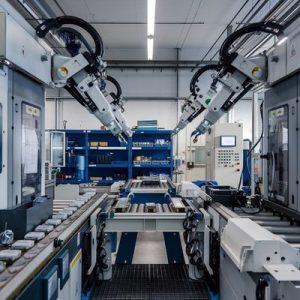 Achieving consistent tool performance with cemented carbide requires careful control of the material’s microstructure during manufacturing. Various factors, including sintering temperature, tungsten carbide powder composition, and binder phase, influence the microstructure. By precisely controlling these factors, manufacturers can ensure that the cemented carbide has the desired properties, including hardness, toughness, wear resistance, and edge stability.
Microstructural control enhances the tool’s initial performance and improves its longevity. By altering the microstructure, manufacturers can produce cemented carbide tools that perform well even under the worst conditions. This consistency is crucial in industries such as aerospace, automotive, and mining, where equipment failures due to inconsistent material performance can result in costly downtime and safety risks.
Understanding the metallurgy and microstructure of cemented carbide is essential for producing high-performance components. By optimizing factors such as binder content, grain size, and phase composition, manufacturers can create cemented carbide tools and parts that deliver reliability, durability, and precision, making them indispensable across a wide range of industries.
Advanced tool geometry and cutting-edge design
In machining, the design of the cutting tool plays a pivotal role in the quality, efficiency, and lifespan of both the tool and the workpiece. Advanced tool geometry involves precisely designing and shaping the cutting tool to maximize performance. This encompasses a range of factors, including rake angles, clearance angles, and chip breakers, each of which impacts cutting efficiency, surface quality, and tool wear.
Tool geometry is a critical factor in achieving optimal cutting performance. It ensures that each cut the tool makes is smooth, precise, and tailored to the specific material being worked on. For example, tools with more aggressive rake angles can reduce cutting forces and help in faster material removal. On the other hand, tools with flatter or sharper angles are ideal for finishing tasks that require a high level of surface quality.
Modern tools are designed with advanced materials, coatings, and geometries that extend their lifespan while maintaining precision. In industries like automotive, aerospace, and heavy machinery, precision is key, and it is the careful design of these cutting tools that ensures each part meets high-quality standards. Using the right tool geometry improves machining accuracy, reduces vibrations, and ultimately lowers overall production costs.
Rake Angle Optimization for Material-Specific Machining
Rake angle plays a crucial role in how the cutting tool interacts with the material. Simply put, the rake angle is the angle between the cutting surface and the material’s surface. Optimizing the rake angle for specific materials can significantly improve cutting performance, tool life, and surface finish.
For softer materials like aluminum or brass, a higher rake angle is often beneficial. A steeper rake angle reduces cutting forces, making it easier to cut through the material, improving tool life, and minimizing energy consumption. Conversely, for harder materials such as steel or titanium, a more moderate rake angle provides better control over heat generation and reduces the risk of tool wear or breakage.
Adjusting the rake angle to suit the material improves cutting efficiency. It reduces thermal stress, which is especially important when dealing with materials that tend to expand or deform under heat. Whether you’re machining complex aerospace components or simple industrial parts, optimizing the rake angle is key to achieving high-quality results.
Clearance Angles and Their Impact on Tool Life
Clearance angles provide sufficient space between the cutting tool and the workpiece to ensure smooth chip removal and reduce friction. If the clearance angle is too slight, the cutting tool may experience unnecessary friction with the material, leading to higher wear rates and a reduced lifespan.
Choosing the optimal clearance angle is important because it directly affects heat generation during machining and chip removal from the cutting zone. Larger clearance angles help reduce friction and improve chip flow for materials that tend to stick together or make long, stringy chips. This makes operations run more smoothly and extends the tool’s life.
On the other hand, too large a clearance angle can cause tool instability, leading to increased vibrations and compromised surface quality. Striking a balance between effective chip removal and stability is essential. This is why each material type and machining operation requires careful consideration of the clearance angle to ensure the cutting tool works at its best and remains durable through the entire production cycle.
Chip Breaker Engineering for Controlled Chip Formation
Effective chip removal is a primary challenge in machining. When machining metals, especially harder materials or those prone to long chip formation, chip breakers are essential. These small but mighty features on the cutting tool help control the shape, size, and removal of chips, ensuring the material is cut efficiently without causing blockages or damaging the tool.
Chip breakers help to break long, thin chips into smaller, more manageable pieces, preventing them from wrapping around the tool or workpiece. This not only ensures smoother cutting but also reduces the risk of tool breakage and maintains a clean work environment. For example, during machining operations that involve deep cuts or large workpieces, a chip breaker can significantly enhance efficiency and safety by preventing chip buildup, which could otherwise lead to overheating or even tool failure.
Different chip breaker designs are optimized for various materials and cutting conditions. The correct chip breaker configuration improves heat dissipation, reduces the risk of workpiece damage, and enhances surface finish. Understanding the principles of chip breaker engineering is crucial for improving overall machining productivity and ensuring high-quality results, especially when handling tough materials or operating in high-volume production environments.
Nose-radius selection for surface finish and strength
The nose radius of a cutting tool is another critical factor that influences both the surface finish and the strength of the finished product. The nose radius is the rounded edge of the tool where the cutting edge meets the material. Its size directly affects how smooth the cut is and how strong the part is overall.
A smaller nose radius results in a sharper cutting edge, ideal for finishing operations where precision and surface finish are paramount. However, this can also lead to higher cutting forces, potentially increasing tool wear. On the other hand, a larger nose radius distributes cutting force over a broader area, improving tool durability and providing greater strength to handle tougher materials.
Choosing the correct nose radius based on the machining operation is crucial for achieving the desired surface finish while maintaining the tool’s performance. In industries like aerospace, where both strength and precision are critical, selecting the right nose radius ensures that components not only meet aesthetic and dimensional requirements but also withstand the stresses they will face in service. Proper selection of nose radius can ultimately lead to reduced tool wear, improved part quality, and better overall machining efficiency.
Precision Manufacturing of Carbide Turning Tools
Carbide turning tools are an essential component in machining operations, particularly for high-speed, high-precision tasks. These tools are made from a blend of tungsten carbide and other materials, offering superior hardness and wear resistance. The precision manufacturing of carbide turning tools begins with selecting high-quality raw materials, which are then processed to achieve the desired hardness, strength, and precision.
At Attri Tech Machines Pvt. Ltd., we leverage cutting-edge technology to manufacture carbide turning tools that meet the highest industry standards. The process begins with mixing fine carbide powders, carefully selected for their composition and performance characteristics. This powder is then compacted under high pressure, ensuring uniform density and strength throughout the tool.
Once the components are formed, they undergo sintering, a process that involves heating them to extremely high temperatures in a controlled environment. This step solidifies the carbide material and enhances its toughness, allowing the tool to withstand the high stresses of industrial applications.
Precision manufacturing of carbide turning tools requires expert knowledge and advanced machinery, as even the most minor deviations can affect performance. With our focus on innovation and quality control, we ensure that every carbide tool we produce is designed to deliver maximum efficiency and longevity, reducing downtime and improving productivity for our clients across sectors such as automotive, aerospace, and heavy engineering.
Powder Processing and Controlled Compaction Techniques
The production of high-performance carbide turning tools begins with an essential process: powder processing. This is where fine carbide powders are combined with binders and other additives to create a homogeneous mixture. The powder processing stage is critical, as it determines the final material’s strength, hardness, and wear resistance.
At Attri Tech Machines Pvt. Ltd., we utilize advanced powder-processing techniques to ensure carbide powders are of the highest quality. The materials undergo thorough sieving and blending, during which we carefully control the particle-size distribution. This ensures uniformity in the mix, which is vital for the consistency and performance of the final product.
After the powders are ready, they are compacted under controlled conditions. This involves applying high pressure to the powder mixture, which causes the particles to bond and form a solid structure. Compaction is performed to prevent air pockets that could compromise the tool’s integrity. By controlling the pressure, temperature, and time, we ensure the material is compacted to the ideal density, which directly affects the hardness and durability of the carbide tools.
By paying close attention to every step in the powder processing and compaction stages, we create carbide turning tools that are not only strong and reliable but also capable of performing under the most demanding industrial conditions.
Sintering Parameters for Density and Structural Integrity
Sintering is one of the most crucial steps in the manufacturing of carbide turning tools. During this phase, the compacted powder undergoes a high-temperature furnace treatment. The heat causes the particles to fuse, resulting in a solid, durable material. However, to achieve optimal density and structural integrity, precise control over the sintering parameters is necessary.
At Attri Tech Machines Pvt. Ltd., we understand that sintering is not a one-size-fits-all process. We must carefully control the temperature, time, and atmosphere inside the furnace to ensure the final product meets the required specifications. Too much heat can cause distortion, while insufficient temperature may result in weak bonding between the particles.
By fine-tuning the sintering parameters, we can achieve a carbide tool that is both dense and structurally sound. This is particularly important in industries such as aerospace and automotive, where components must withstand extreme pressure and temperatures. The ability to control sintering parameters ensures that our carbide turning tools have consistent strength and wear resistance, providing reliable performance in challenging conditions.
Through our expertise and state-of-the-art technology, we create tools that are not only durable but also maintain their sharpness and precision over extended periods, even under the most demanding applications.
Precision Grinding of Cutting Edges and Profiles
Once the carbide material has been sintered and cooled, the next step in manufacturing carbide turning tools is precision grinding. This process is critical for achieving the sharp, accurate cutting edges that make carbide tools so practical in machining operations.
At Attri Tech Machines Pvt. Ltd., we use advanced grinding techniques to create precise cutting edges and profiles. Specialized grinding machines equipped with diamond abrasives enable us to grind carbide to exact dimensions. Whether it’s a sharp edge for cutting or a specific profile for intricate machining, our grinders ensure every tool meets the required specifications.
Precision grinding is about shaping and sizing every tool facet for its intended use, not just sharpening edges. The grinding process also involves controlling temperature and speed to prevent overheating or tool damage. This is why having skilled technicians who understand the nuances of the process is crucial.
By leveraging the latest grinding technologies and maintaining tight control over the process, we can produce carbide turning tools that deliver superior cutting performance, longer tool life, and greater overall efficiency for our clients across industries such as energy, industrial machinery, and heavy engineering.
Dimensional Control for Micron-Level Accuracy
In industries where precision is paramount, such as aerospace and automotive, even the most minor dimensional errors can lead to significant issues. That’s why achieving micron-level accuracy in carbide turning tools is a fundamental part of the manufacturing process. At Attri Tech Machines Pvt. Ltd., we take dimensional control seriously, ensuring every tool we produce meets the strictest tolerances.
To achieve such acceptable accuracy, we employ high-precision measurement equipment, including laser micrometers, optical comparators, and coordinate measuring machines (CMM). These tools allow us to check each tool’s dimensions to the micron level, ensuring no deviations from the specified measurements.
Dimensional control involves more than just measuring the tool’s size; it also includes ensuring that its profile, shape, and cutting edges are perfect. Even the slightest imperfection could affect how the tool performs, so we carefully monitor and adjust the manufacturing process to guarantee optimal results.
By focusing on dimensional accuracy, we ensure that our carbide turning tools are not only precise but also deliver consistent performance throughout their lifespan. This attention to detail is what sets Attri Tech Machines apart as a leader in the field, delivering tools that help our clients achieve higher precision and efficiency in their operations.
Coatings and Surface Engineering Technologies
Coatings and surface engineering are essential for enhancing the performance, durability, and longevity of components. At Attri Tech Machines Pvt. Ltd., we utilize cutting-edge coating and surface treatment technologies to deliver superior-quality products that withstand the harshest environments. These technologies play a crucial role in improving component functionality, ensuring high performance throughout their lifecycles.
Coatings help protect components from wear, corrosion, and high temperatures, making them more resilient and reliable. Surface engineering technologies, on the other hand, focus on optimizing material surface properties to achieve specific outcomes, such as reduced friction or improved adhesion. Together, coatings and surface engineering not only extend the life of machinery and tools but also improve their efficiency and performance across industries such as automotive, aerospace, and energy.
Whether it’s a coating that resists high heat or a surface-engineering treatment that minimizes friction, these innovations are transforming how industries approach component manufacturing. At Attri Tech Machines, we continually invest in the latest advancements to ensure our customers receive nothing but the best.
Role of Coatings in Thermal and Wear Protection
Coatings serve as protective armor for critical components, providing the thermal and wear protection they need. Components in industries such as automotive and aerospace often operate under extreme temperatures and endure constant wear, making them vulnerable to damage. That’s where coatings come in; they act as a barrier, shielding the material from excessive heat and reducing the friction that causes wear and tear.
Thermal protection coatings help components withstand high temperatures, preventing material degradation and ensuring consistent performance even under heat stress. This is particularly important in industries where high-temperature operations are standard, like in engines, turbines, and heavy machinery. Wear-resistant coatings, on the other hand, are engineered to resist abrasive forces and physical contact, extending the life of tools and equipment by protecting them from surface degradation.
At Attri Tech Machines, we use advanced coating technologies to deliver these benefits, ensuring that our components perform at optimal levels and meet the rigorous standards of various industries. Whether it’s protecting against high temperatures or reducing wear and tear, coatings are essential for improving the reliability and performance of components in harsh environments.
PVD and CVD Coating Technologies Explained
Physical Vapor Deposition (PVD) and Chemical Vapor Deposition (CVD) are two of the most advanced coating technologies used in the manufacturing industry today. These methods enable the deposition of thin films on material surfaces, providing enhanced properties such as improved hardness, wear resistance, and corrosion protection.
PVD (Physical Vapor Deposition): PVD is a process where a material is vaporized in a vacuum chamber and then condensed onto the surface of a substrate. This creates a thin, durable coating that is often used in applications requiring high precision and quality, such as in cutting tools, medical devices, and automotive components. The result is a coating that is not only strong and long-lasting but also heat-, wear-, and corrosion-resistant.
CVD (Chemical Vapor Deposition): A process in which a chemical reaction occurs in the gas phase, resulting in the deposition of solid material onto a surface. CVD coatings are known for their superior thickness and uniformity, making them ideal for high-performance applications across industries such as aerospace and energy. These coatings provide excellent protection against wear, corrosion, and high temperatures, making them a popular choice for critical components like turbine blades, engine parts, and industrial machinery.
Both PVD and CVD coating technologies offer unique advantages. At Attri Tech Machines, we leverage these methods to deliver precision-engineered solutions that meet our clients’ diverse needs. With a focus on quality and innovation, we ensure that every coating we apply enhances the performance and longevity of the components we manufacture.
Multi-Layer Coatings for Extended Tool Life
One of the most effective ways to extend the life of tools and components is through multi-layer coatings. These coatings involve applying several thin layers, each with specific properties that work together to enhance the base material’s performance. The result is a robust, durable surface that offers superior protection against wear, corrosion, and high temperatures.
Every layer in a multi-layer coating has a specific job. For example, the first layer might provide excellent adhesion to the substrate, while the second layer could offer heat resistance, and the third layer could give wear durability. This layered combination allows the tool to perform under harsh conditions, extending its useful life and reducing the need for frequent replacements.
Industries like automotive manufacturing, heavy engineering, and industrial machinery, which subject tools and components to heavy-duty use, greatly benefit from multi-layer coatings. At Attri Tech Machines, we use advanced multi-layer coating techniques to ensure that our products deliver exceptional performance and last longer, reducing downtime and maintenance expenses for our clients.
Surface Engineering for Reduced Friction and Adhesion
Surface engineering plays a pivotal role in reducing friction and adhesion, two key factors that can influence component performance. When components move or interact with other materials, friction can cause wear and energy loss, while adhesion can lead to unwanted bonding or sticking between surfaces. By applying advanced surface engineering treatments, we can reduce both friction and adhesion, improving the efficiency and lifespan of components.
Surface engineering treatments such as nitriding, metallic anodizing, and laser surface texturing help modify the surface properties of materials. These processes create a smoother, more rigid, and more durable surface that reduces friction, allowing components to move more efficiently. Additionally, surface engineering can help prevent the buildup of adhesive forces between materials, which is especially useful in applications like bearings, seals, and gears.
At Attri Tech Machines, we focus on providing our clients with surface-engineered solutions that enhance the functionality and durability of their products. By reducing friction and adhesion, we help our customers achieve better performance, longer lifespans, and reduced maintenance expenses. Surface engineering plays a crucial role in maximizing the performance of vital components across automotive, aerospace, and industrial machinery.
Machining Performance in High-Speed Turning
High-speed turning is a critical process in modern manufacturing, allowing for faster, more efficient machining of high-precision components. Elevated speeds push the performance of cutting tools, like carbide inserts, to their limits. Several factors can affect the success of high-speed turning: cutting speed, feed rates, thermal management, chip evacuation, and tool wear.
Cutting Speed, Feed, and Depth Optimization
The three primary variables that influence machining performance in high-speed turning are cutting speed, feed rate, and depth of cut. Cutting speed refers to how fast the tool moves across the material’s surface, which directly impacts the heat generated. Increasing the cutting speed can improve productivity, but it also introduces greater thermal stress on the tool. Therefore, optimizing cutting speed is crucial for balancing speed and tool longevity.
The feed rate (how much the tool moves per revolution of the workpiece) also plays a significant role in machining performance. Higher feed rates can lead to higher material removal rates but may also cause more strain on the tool. The depth of cut, or the amount of material removed per pass, must be carefully controlled to avoid excessive heat buildup and ensure a smooth finish.
Optimizing these variables means finding the sweet spot where high productivity and tool durability meet. This requires adjusting the parameters based on the material being machined, the tool’s material properties, and the desired result. By fine-tuning cutting speed, feed rate, and depth of cut, manufacturers can maximize efficiency while minimizing tool wear.
Thermal Management at Elevated Machining Speeds
When cutting at high speeds, thermal management becomes a key challenge. Friction between the cutting tool and the workpiece generates significant heat, which can lead to tool degradation and part distortion. In fact, temperatures at the cutting edge can exceed 1,000°C (1,832°F) in some applications. To prevent premature wear and ensure precision, managing heat is critical.
Carbide tools are well-suited for high-speed turning due to their superior heat resistance. However, even carbide tools need help with heat management. That’s why coolant application and proper tool coatings are pivotal. Coolants help lower temperatures at the cutting zone, reducing tool wear and maintaining the integrity of the workpiece. Coatings such as titanium nitride (TiN) or aluminum-titanium nitride (AlTiN) are also commonly used to reduce friction and heat buildup.
Additionally, tool geometry influences thermal performance. Tools with specific rake angles and chip breakers can help distribute heat more effectively, keeping the tool cooler and operating efficiently. With proper thermal management, high-speed turning can achieve optimal results without compromising tool or part quality.
Chip Formation Dynamics and Evacuation Efficiency
At high speeds, the dynamics of chip formation differ significantly from those in slower cutting processes. The material being cut undergoes rapid deformation, resulting in fine, often fragmented chips. How these chips are managed during the machining process is critical for preserving tool life and part quality.
Efficient chip formation starts with the cutting tool’s geometry. Tools with optimized rake angles and cutting edges are designed to break the material into smaller, more manageable chips. This process helps prevent clogging and the chips from being recut, which can damage both the tool and the workpiece.
Once the chips are formed, evacuation efficiency becomes key. Poor chip removal can lead to issues like chip recutting, excessive heat buildup, or even tool breakage. Proper tool design, coolant application, and machine settings facilitate effective chip evacuation in high-speed turning. The use of high-pressure coolant systems or air blasts can help clear chips from the cutting zone, ensuring a smooth, efficient machining process. When done right, efficient chip evacuation improves cutting performance, reduces heat, and prolongs tool life.
Minimizing Built-Up Edge and Tool Degradation
A significant challenge in high-speed turning is managing built-up edge (BUE), a phenomenon in which material adheres to the tool’s cutting edge. This can lead to poor surface finishes, increased friction, and premature tool wear. BUE forms when the cutting temperature is high enough to soften the material being cut, causing it to weld itself to the tool’s cutting edge. Over time, this layer of material can impair the tool’s cutting performance and accelerate tool degradation.
To minimize BUE, controlling the cutting speed and temperature is essential. Maintaining a balanced cutting speed that allows for efficient material removal without excessive heat buildup is key. Additionally, selecting the right tool coatings and materials can help reduce the likelihood of BUE formation. Coatings such as TiN or TiAlN create a smooth surface that makes it harder for material to adhere to the tool, thus preventing BUE.
Another essential strategy is the use of appropriate coolants, which help to lower the cutting temperature and reduce friction. These coolants should be applied precisely to the cutting zone to prevent heat buildup and maintain consistent cutting conditions.
Finally, optimizing the feed rate and depth of cut, in combination with advanced cutting tool designs, can further help reduce tool degradation. By carefully managing these factors, manufacturers can ensure longer tool life, better surface finishes, and more efficient machining processes.
Integration with CNC and NC Machining Systems
In modern manufacturing, CNC (Computer Numerical Control) and NC (Numerical Control) machining systems are essential for producing precision parts. These systems use computer-controlled machines to automate the shaping, cutting, and finishing of materials with high accuracy. The integration of carbide tools, especially cemented carbide tools, with these systems plays a pivotal role in improving production efficiency, consistency, and quality.
The key to successful integration lies in ensuring that the CNC or NC machine is optimized to handle the specific characteristics of carbide tools, which are harder and more wear-resistant compared to traditional tool materials. The advanced control systems of CNC machines enable precise adjustments to feed rates, spindle speeds, and tool positioning, maximizing the performance of carbide tools across various applications, from automotive components to aerospace components.
Additionally, when carbide tools are integrated into CNC or NC systems, it’s essential to think about tool life and performance. These machines can be programmed to monitor carbide tool wear and make real-time adjustments to the cutting process, ensuring optimal performance throughout the machining cycle. By using state-of-the-art sensors and feedback systems, manufacturers can reduce downtime and extend the lifespan of tools and machines, thereby improving productivity and reducing costs.
Tool Holder Interfaces and Clamping Stability
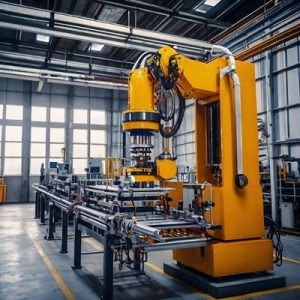 In CNC and NC machining, the stability of tool holders and clamping systems is critical to preserving cutting process precision. The interface between the tool holder and the tool must be securely fastened to prevent any movement that could compromise accuracy. For carbide tools, this aspect is essential, as their hardness and brittleness can make them more susceptible to vibration and displacement.
Tool holders are designed to provide a stable platform for the carbide tool, ensuring that it stays firmly in place throughout the cutting process. A stable clamping system minimizes the risk of tool slippage or misalignment, both of which can lead to poor-quality finishes, inaccurate cuts, or premature tool wear. Additionally, an unstable clamping setup can cause the tool to flex, leading to inconsistent cuts and reduced tool life.
High-quality tool holder interfaces often include anti-vibration features that reduce the risk of tool chatter and improve cutting operation stability. By selecting the right tool holder and ensuring proper clamping, manufacturers can significantly improve the performance and lifespan of carbide tools, thereby enhancing product quality and reducing maintenance expenses.
Machine Tool Rigidity and Its Effect on Cutting Accuracy
The rigidity of a machine tool directly impacts the accuracy and precision of any machining process. A rigid machine tool provides a stable base for carbide tools to perform cutting operations without flexing or vibrating. In contrast, machines with low rigidity can introduce errors such as tool deflection, leading to inaccuracies in the final part dimensions.
In CNC and NC machining, a rigid machine tool minimizes the movement of the tool and workpiece during cutting, ensuring the carbide tool remains precisely aligned with the programmed coordinates. This is especially critical when working with materials like cemented carbide, which require high cutting forces due to their hardness. If the machine lacks rigidity, these forces can cause tool deflection, negatively affecting the surface finish and dimensional tolerances of the finished part.
To achieve optimal cutting accuracy, it’s essential to choose machines with high rigidity and implement effective setup procedures. This includes using proper fixturing, maintaining machine alignment, and regularly inspecting components for wear. Using high-quality, high-speed machine tools with carbide tools helps produce parts that fit together well and have smooth surfaces, which is critical in fields like aerospace and automotive.
CNC Programming Strategies for Carbide Tools
Effective CNC programming is crucial when working with carbide tools, as they require specific cutting conditions to maximize performance and lifespan. Since carbide tools are more complex and more wear-resistant than conventional tools, they often require different strategies for optimal results.
One of the most essential programming considerations is selecting appropriate cutting speeds and feed rates. Carbide tools can withstand higher cutting speeds, but if these speeds are too high for the material or machine, they can generate excessive heat, leading to premature wear or even failure. The feed rate must also be optimized to ensure efficient cutting while minimizing the risk of tool damage.
In addition to speed and feed rate, programmers must consider tool paths and cutting strategies. For instance, using high-efficiency milling (HEM) strategies can extend the tool’s lifespan by more evenly distributing the cutting load. This helps avoid excessive wear on specific points of the tool, especially the edges. Furthermore, incorporating tool compensation and adaptive machining techniques can adjust cutting parameters in real time based on the tool’s condition, ensuring more consistent results. By understanding the unique characteristics of carbide tools and tailoring CNC programming accordingly, manufacturers can achieve longer tool life, higher cutting accuracy, and better overall performance.
Adaptive Machining and Process Monitoring
Adaptive machining is the ability to adjust machining parameters in real time to optimize the cutting process. When working with carbide tools, adaptive machining is especially valuable because it allows the system to continuously monitor and adjust for changes in tool wear, workpiece material properties, or machine performance.
By integrating sensors and feedback loops, adaptive machining systems can monitor variables such as tool temperature, vibration, and cutting forces. If any deviations from ideal machining conditions are detected, the system can automatically adjust parameters such as cutting speed, feed rate, or tool path to compensate. This ensures that carbide tools continue to operate efficiently and maintain high levels of performance throughout the machining process.
Process monitoring, on the other hand, involves real-time data collection to ensure the machining process runs as planned. By continuously monitoring factors such as tool wear, part geometry, and machine behavior, manufacturers can detect issues early and take corrective action before problems escalate. For example, if excessive wear is detected on a carbide tool, the system can alert the operator, allowing them to replace the tool before it causes part defects or downtime.
Adaptive machining and process monitoring contribute to increased productivity, higher part quality, and reduced tool wear. These technologies are beneficial in industries where precision and efficiency are critical, such as in aerospace, automotive, and medical device manufacturing. By leveraging these systems, manufacturers can keep their machining processes running smoothly and achieve optimal results when using carbide tools.
Industrial applications demand high-performance turning tools.
High-performance turning tools are vital for a wide range of industries that require precision, durability, and efficiency. Turning tools are used in turning operations to machine cylindrical or conical shapes from a workpiece. The demand for high-performance tools stems from the need to maintain tight tolerances, ensure superior surface finishes, and extend tool lifespan, especially in high-stress applications.
High-performance turning tools are crucial in industries such as automotive, aerospace, and energy, where components must withstand extreme conditions. These tools are designed to withstand high cutting forces, operate at high speeds, and handle tough materials, all while minimizing tool wear. Their ability to maintain consistent performance over long periods reduces downtime, boosts productivity, and ensures high-quality results.
The main factors that make a turning tool “high-performance” are the materials it’s made from, the cutting edge geometry, and the coatings applied to improve hardness, reduce friction, and resist corrosion. With advancements in tool design and technology, manufacturers can now produce turning tools that enhance cutting efficiency, reduce machining costs, and improve overall part quality. Whether you’re working with metals like stainless steel or tougher materials such as titanium, high-performance turning tools are a must-have for industries that demand precision and reliability.
Automotive Powertrain and Precision Shaft Machining
In the automotive industry, the powertrain is a crucial component that drives the vehicle’s movement. It includes the engine, transmission, driveshafts, and differentials, all of which require precise machining to ensure smooth operation and long-term durability. Precision shaft machining is at the heart of the automotive powertrain, as shafts are integral to transferring power and motion between different engine components.
Turning tools used in automotive powertrain manufacturing must be capable of working with a range of materials, including carbon steels, alloys, and high-strength materials. The shafts must meet stringent dimensional accuracy, surface finish, and material strength requirements. High-performance turning tools that offer excellent wear resistance and can handle the complex geometries of shafts are crucial for automotive manufacturers.
Precision is key when machining automotive powertrain components, as even a slight deviation can affect the vehicle’s efficiency, performance, and safety. For example, turning tools with a precise nose radius, specific rake angles, and optimal cutting-edge design are essential to ensure the parts meet tight tolerances. Whether you’re machining crankshafts, camshafts, or transmission components, using high-quality, reliable turning tools guarantees the consistency and performance of each part.
Aerospace Components with Tight Tolerance Requirements
Aerospace manufacturing is one of the most demanding sectors for machining components. Aircraft and spacecraft parts must meet incredibly tight tolerance requirements to ensure safety, reliability, and performance under extreme conditions. Whether it’s turbine blades, landing gears, or wing assemblies, every component in aerospace manufacturing has to be precise, durable, and high-performing.
Turning tools used for aerospace components are specially designed to handle the unique challenges of machining high-strength alloys, titanium, and other specialized materials commonly used in the aerospace industry. These materials require tools that can operate at high cutting speeds without generating excessive heat or wear. Aerospace components also need to be lightweight yet strong, which is why turning tools must ensure perfect surface finishes and dimensional accuracy.
In addition to material properties, aerospace components often come with complex geometries and intricate features that demand the highest precision. High-performance turning tools with advanced coatings and optimized cutting geometries ensure that the workpieces meet these stringent requirements. By using the right tools, manufacturers can produce components that fit perfectly and perform optimally under extreme conditions, ensuring the aircraft’s safety and reliability.
Hydraulic and Pneumatic System Components
Hydraulic and pneumatic systems are crucial in various industries, from automotive to construction, for controlling the movement and operation of machines. These systems rely on precise components, including pumps, valves, actuators, and cylinders, which must be manufactured to extremely tight tolerances to function correctly. Even minor defects or inaccuracies in these components can cause system failures, leading to safety hazards, inefficiencies, and increased costs.
Machining components for hydraulic and pneumatic systems requires high-performance turning tools that meet the demands of these applications. The tools must be capable of machining materials like steel, aluminum, and stainless steel, which are commonly used in fluid and gas systems. To ensure proper function, these components require smooth surface finishes to minimize leakage and wear, as well as dimensional accuracy for tight fitment.
The reliability of these systems depends on the precision of their components, which is why turning tools must be designed to maintain excellent cutting efficiency and resist wear under challenging conditions. For example, when machining hydraulic valve components or pneumatic actuators, it’s essential to achieve a high-quality surface finish while ensuring accurate hole depths and dimensions to guarantee the parts perform well under pressure and stress.
General Engineering and Heavy-Duty Machining Operations
General engineering and heavy-duty machining operations often involve working with large, tough materials like castings, forgings, and steel. These industries need turning tools that can endure high cutting forces, operate in extreme conditions, and deliver precision at larger scales. Whether it’s machining parts for construction machinery, mining equipment, or industrial engines, turning tools need to be robust and reliable to meet the demands of these applications.
Heavy-duty machining operations typically involve parts that require significant material removal and high-performance cutting, especially in industries such as energy, oil and gas, and mining. Components in these sectors must withstand harsh working environments, so the turning tools used must handle tough materials such as hardened steel, alloyed metals, and high-strength composites.
In these applications, the turning tools must be durable enough to withstand the intense forces and temperatures generated during machining. The ability to maintain sharp cutting edges, even in high-volume or heavy-duty operations, is vital for ensuring the tools remain efficient and cost-effective. Using high-quality turning tools can improve machining productivity, reduce downtime, and extend the life of both tools and machinery, ensuring that general engineering and heavy-duty parts meet the demanding performance requirements of their respective industries.
Failure Mechanisms and Tool Life Optimization
When working with carbide turning tools, understanding the different failure mechanisms is essential for maximizing tool life and ensuring consistent performance in manufacturing operations. Tools, even the highest-quality ones, experience wear and tear over time. But by identifying standard failure mechanisms early on, you can extend the life of your tools, improve productivity, and reduce overall operational expenses.
Failure mechanisms such as flank wear, crater wear, edge chipping, thermal cracking, and mechanical fatigue can all impact a tool’s effectiveness. The key to optimizing tool life lies in recognizing these wear signs and adjusting the machining process. At Attri Tech Machines Pvt. Ltd., we help clients maximize the lifespan of their tools by continuously analyzing wear patterns and fine-tuning processes accordingly. By understanding how and why tools fail, we can recommend improvements to your operations that reduce unnecessary wear and enhance tool longevity.
Effective tool life optimization isn’t just about using the best materials; it’s about controlling variables like cutting speed, feed rates, and cooling strategies to create a balanced environment for the tool. Investing in proper maintenance and following best practices will ensure that your tools perform optimally, increasing production efficiency while lowering overall tooling costs.
The analysis of flank wear, crater wear, and edge chipping is crucial for understanding tool failure.
Flank wear, crater wear, and edge chipping are some of the most common forms of tool failure that can affect the performance and durability of carbide turning tools. These types of wear have different causes and manifest in distinct ways, but all have a direct impact on the tool’s precision and longevity.
Flank wear occurs when the tool’s flank (the part that is in contact with the workpiece) gradually wears down due to friction. This is often the most predictable form of wear and can be minimized by adjusting cutting parameters like speed and feed rate. Flank wear can cause a poor surface finish and incorrect dimensions if it isn’t monitored.
Crater wear occurs on the tool’s rake face, primarily due to high-temperature contact with the workpiece. Over time, a small crater forms on the surface, weakening the tool. This type of wear is more common when cutting harder materials or when the tool is exposed to high temperatures.
Edge chipping is a form of mechanical damage in which the tool’s sharp cutting edges begin to chip off, often due to excessive force or improper machining parameters. This can lead to catastrophic tool failure if not addressed promptly.
Regular monitoring and analysis of these wear types can help prevent premature tool failure. By adjusting machining parameters such as cutting speed, coolant use, and tool material selection, you can mitigate these standard failure mechanisms and prolong your tools’ life.
Thermal Cracks and Mechanical Fatigue Factors
Thermal cracking and mechanical fatigue are two additional failure mechanisms that can significantly affect the performance and service life of carbide turning tools. High operating temperatures and mechanical stress during machining are typically the cause of these failures.
Thermal cracking occurs when the tool is subjected to rapid temperature changes, such as when the cutting surface cools quickly after exposure to heat during cutting. This rapid temperature variation creates internal stresses that can lead to cracks, eventually causing tool failure. Thermal cracking is more common in high-speed machining and when tools are exposed to high cutting forces.
On the other hand, mechanical fatigue results from repetitive loading and unloading during the cutting process. The tool undergoes constant stress cycles, which, over time, can cause microscopic cracks to form in the material. These cracks can eventually grow and lead to tool failure.
Optimizing cutting conditions can minimize both thermal cracking and mechanical fatigue. For instance, we can reduce the likelihood of these failures by slowing down the cutting speed, controlling coolant application, and using tools with better thermal resistance. Proper tool design, material selection, and process monitoring are essential to ensure tools maintain their performance and longevity.
Process Adjustments to Extend Tool Life
If you want to maximize the life of your carbide turning tools, making minor but critical adjustments to the machining process can significantly impact their lifespan. A few key areas where process adjustments can make a big difference include cutting speeds, feed rates, coolant application, and tool geometry.
Cutting speed plays a pivotal role in a tool’s life. While higher cutting speeds can increase productivity, they also generate more heat, which accelerates wear. By slightly reducing the cutting speed, especially when working with tougher materials, you can reduce heat generation and prolong the tool’s life.
Feed rates also directly affect tool longevity. A higher feed rate can cause greater mechanical stresses on the tool, leading to faster wear. Adjusting feed rates to match the material being machined helps balance tool wear and performance.
Coolant application is another important factor. Using the correct coolant in the proper quantity keeps the tool at an optimal temperature and reduces friction during machining. Overheating can lead to thermal cracking and premature wear, so adequate cooling is essential.
Tool geometry, including the tool’s angle and shape, should be optimized for the material being cut. Selecting the right tool for the job can drastically reduce unnecessary wear and improve the tool’s cutting efficiency.
By paying attention to these factors and making minor adjustments, you can extend the lifespan of your tools, reduce downtime, and improve your overall manufacturing efficiency.
Best Practices for Tool Usage and Maintenance
Maximizing the lifespan of carbide turning tools requires a proactive approach to both tool usage and maintenance. Implementing best practices ensures that the tools perform efficiently, leading to fewer failures and better overall productivity.
Proper tool installation is the first step in ensuring excellent tool performance. Always make sure the tool is securely installed and aligned correctly in the machine. Improper installation can cause unnecessary vibration or misalignment, leading to premature wear.
Regular tool inspection is crucial. Visual inspections can help identify any early signs of wear, such as flank wear or edge chipping. A quick check can save you from more significant issues down the line. It’s also essential to monitor the tool’s performance during operation. If you notice any signs of poor cutting performance or excessive heat buildup, it’s time to make adjustments.
Routine maintenance is essential to extending tool life. This includes cleaning the tool regularly to remove debris, inspecting the tool holder and spindle, and lubricating the machine’s moving parts. Keeping the entire system well-maintained helps ensure the tool performs optimally for extended periods.
Lastly, training operators to follow the manufacturer’s guidelines for tool handling, usage, and maintenance can go a long way in preventing tool damage and wear. By following these best practices, you not only extend the life of the tools but also increase overall machining efficiency and productivity. By understanding the key factors influencing tool wear and making the necessary adjustments, you can optimize tool life, improve operational consistency, and reduce costs associated with tool replacement and downtime.
Why Choose Attri Tech Machines for Carbide Turning Tools for High-Performance Machining?
When it comes to carbide turning tools for high-performance machining, choosing the proper manufacturer is key to achieving the best results in terms of precision, durability, and cost-efficiency. At Attri Tech Machines Pvt. Ltd., we understand the importance of high-quality machining tools in maintaining operational efficiency and product quality. We design our carbide turning tools to meet the most demanding industry standards and deliver exceptional performance in aerospace, automotive, and heavy engineering.
Our commitment to innovation, precision, and reliability ensures that our carbide turning tools can withstand extreme conditions while delivering superior results. Whether you’re dealing with tough materials or need to meet tight tolerances, our tools are engineered to provide lasting performance, reduced tool wear, and increased productivity.
Here’s why you should choose Attri Tech Machines for your carbide turning tools:
- Uncompromising Quality: We focus on ensuring the highest level of precision and performance for every tool we manufacture.
- Global Trust: As a leading export manufacturer, we have built a reputation for delivering top-notch products worldwide.
- Tailored Solutions: We tailor our tools to meet your specific machining needs, guaranteeing optimal outcomes for your operations.
Expertise in Precision Carbide Tool Manufacturing
Precision is the cornerstone of high-performance machining, and we pride ourselves on delivering carbide turning tools with unparalleled accuracy. Attri Tech Machines, equipped with years of experience in manufacturing precision carbide tools, can handle even the most complex machining requirements.
Our team of highly qualified engineers and technicians specializes in making carbide tools with exceptional wear resistance, heat resistance, and edge retention. We ensure exceptional precision in every tool by using advanced manufacturing techniques and high-quality carbide materials. Our carbide tools provide the accuracy required to achieve superior results consistently, whether you’re machining automotive parts, aerospace components, or heavy-duty industrial machinery.
At Attri Tech Machines, we don’t just make tools; we create solutions that are engineered to meet the specific needs of your production processes. With a focus on continuous improvement, our precision manufacturing methods ensure that we stay ahead of industry trends and consistently exceed client expectations.
Advanced CNC & NC Infrastructure with Tight Tolerance Control
When it comes to manufacturing high-performance carbide turning tools, having the proper infrastructure is critical. At Attri Tech Machines, we utilize state-of-the-art CNC (Computer Numerical Control) and NC (Numerical Control) machinery to ensure every tool meets the highest quality standards.
Our advanced CNC and NC infrastructure enables us to work with extreme precision, achieving tight tolerances essential to high-performance machining. Whether you’re working with complex geometries or require highly detailed features, our machinery ensures consistent results with minimal variation. The integration of advanced technology into our production process enables us to deliver unparalleled accuracy, ultimately leading to longer tool life and improved machining performance for our clients.
By maintaining tight tolerance control throughout the manufacturing process, we ensure that every carbide turning tool meets the exact specifications required for your applications. Whether you’re machining intricate parts or working with demanding materials, our precision-engineered tools deliver the consistency and quality you need for optimal machining results.
Multi-Stage Quality Inspection and Performance Validation
At Attri Tech Machines, quality is not just a step in the process; it’s an ongoing commitment at every stage. Our multi-stage quality inspection process ensures that every carbide turning tool undergoes rigorous testing before it reaches our clients. From the initial stages of material selection through the final inspection, we take every measure to ensure our tools meet the highest standards of quality and performance.
Each carbide tool goes through a detailed inspection process that includes visual checks, dimensional verification, and performance validation under real-world conditions. By using advanced measurement equipment and techniques, we can detect even the most minor deviations from required specifications, ensuring that only the highest-quality tools are delivered.
In addition to visual and dimensional checks, we conduct performance validation, testing tools under various machining conditions to verify their durability, wear resistance, and cutting efficiency. This process ensures that our tools not only meet industry standards but also exceed customer expectations for performance and longevity.
Custom Tool Solutions and Reliable Industrial Support
We understand that every machining operation is unique, which is why we offer custom tool solutions tailored to meet your specific requirements. At Attri Tech Machines, we collaborate closely with our clients to design carbide turning tools that are optimized for their production needs. Whether you require specialized tool geometries, coatings, or materials, our team of experts is here to provide personalized solutions that maximize efficiency and performance.
We design our custom tool solutions to tackle a variety of machining challenges, from intricate part designs to extended tool-life requirements. With our profound understanding of the manufacturing process and industry demands, we can develop tools that help you achieve the highest levels of productivity while reducing downtime and tool replacement costs.
In addition to providing custom solutions, we offer reliable industrial support throughout the lifecycle of our tools. From initial consultation to post-purchase support, Attri Tech Machines is committed to ensuring that you get the most out of your carbide turning tools. Our dedicated customer service team is always available to answer questions, offer technical assistance, and provide any necessary support to keep your operations running smoothly. With Attri Tech Machines as your manufacturing partner, you can rely on consistent, high-quality tools and dependable industrial support that help optimize your machining processes and improve overall productivity.