Pneumatic Couplings in Industrial Air Systems
At Attri Tech Machines Pvt. Ltd., we work closely with industrial air systems every day, and one thing becomes very clear: pneumatic couplings are not small or secondary components. They are the backbone of efficient compressed air operations. In simple terms, pneumatic couplings allow you to quickly connect and disconnect air lines without shutting down the entire system. This aspect may seem basic, but in a fast-paced industrial environment, it directly affects productivity, safety, and cost control.
When running machines that rely on compressed air, consistency matters. Pneumatic couplings help maintain steady airflow while minimizing leaks and pressure drops. Whether you operate in automotive manufacturing, heavy engineering, or industrial machinery, these couplings ensure air reaches the tool or machine exactly when and where you need it.
We design and manufacture pneumatic couplings keeping real-world working conditions in mind: dust, vibration, high pressure, and frequent use. A well-built coupling improves system efficiency and also reduces wear on hoses and equipment. Over time, this results in lower maintenance expenses and fewer unexpected breakdowns.
For anyone new to industrial air systems, understanding pneumatic couplings is a great starting point. They may look simple, but their role is critical. Choosing the proper coupling ensures smoother operations, safer working conditions, and better overall performance from your compressed air setup.
What Pneumatic Couplings Are and How They Function
Pneumatic couplings are mechanical connectors designed to join air hoses, pipes, or tools to a compressed air supply. Their main job is to allow air to flow when connected and stop it instantly when disconnected. This automatic shut-off feature prevents air loss and improves workplace safety.
Operation is straightforward: when you insert the plug into the coupling socket, the internal valves open and allow compressed air to pass through. Once disconnected, the valves close immediately. This design expedites and streamlines daily operations, particularly in industries where frequent tool changes occur.
At Attri Tech Machines Pvt. Ltd., we focus on precision engineering because even a minor flaw can cause air leaks, pressure loss, or safety risks. High-quality materials and accurate machining ensure that couplings perform reliably under repeated use and high-pressure conditions.
From assembly lines to maintenance workshops, pneumatic couplings simplify work. You can change tools in seconds without reaching for extra clamps or fittings. For beginners, this ease of use reduces learning time and helps avoid common handling errors.
A properly functioning pneumatic coupling improves air efficiency, protects equipment, and keeps operations running smoothly. When reliability matters, investing in the proper coupling makes a noticeable difference.
The Role of Couplings in Compressed Air Systems
Compressed air systems rely on multiple components working together, and couplings play a central role in keeping everything connected and controlled. Without reliable couplings, even the most advanced air compressors cannot deliver consistent performance.
Couplings act as the connection points between air hoses, tools, valves, and machines. They help manage airflow while maintaining pressure stability across the system. When couplings fit correctly and seal tightly, you avoid energy loss caused by air leaks. This directly lowers operating expenses and improves efficiency.
We understand that industrial environments demand durability. That’s why our couplings are designed to handle frequent connections, vibrations, and pressure fluctuations without failing. Strong couplings reduce downtime and protect both operators and equipment.
Another vital role of couplings is safety. Quick-disconnect features let you instantly isolate the air supply during maintenance or emergencies. This prevents accidental air discharge and keeps workspaces safer.
If you want your compressed air system to perform at its best, couplings should never be an afterthought. Choosing high-quality, well-engineered couplings supports long-term system reliability and helps you get the most out of your investment.
Couplings vs Other Pneumatic Connection Methods
In industrial settings, you may encounter threaded fittings, clamps, or permanent hose connections. While these methods work, pneumatic couplings offer clear advantages in speed, convenience, and safety.
Threaded connections require tools and time to assemble or remove. Clamps may loosen over time, leading to leaks. Permanent connections make maintenance more difficult. Pneumatic couplings eliminate these issues by allowing tool-free, instant connections and disconnections.
In our manufacturing experience, we see how couplings improve workflow. Operators can switch tools quickly without stopping the air supply. Without disassembling hoses, maintenance teams can isolate specific areas of the system. This saves time and reduces labor effort.
Couplings also offer better sealing performance compared to many traditional methods. Precision-machined components ensure consistent pressure and minimal leakage. Over time, the result improves energy efficiency and reduces compressor load.
For modern industrial operations that value speed, flexibility, and safety, pneumatic couplings are the more intelligent choice. They simplify daily tasks while delivering dependable performance under demanding conditions.
Why Speed and Security Matter in Industrial Connections
In industrial environments, every second counts. Slow or unreliable connections can interrupt workflows, reduce output, and increase operational expenses. Pneumatic couplings address this challenge by offering fast, secure, and repeatable connections.
Speed matters when tools need frequent changes or when production lines must keep moving. Quick-connect couplings allow you to connect air lines in seconds without tools. This keeps operations efficient and reduces downtime.
Security is just as important. A loose or poorly sealed connection can cause air leaks, pressure drops, or sudden hose disconnections. These issues pose safety risks and can damage equipment. High-quality couplings lock firmly into place and maintain a tight seal even under high pressure.
At Attri Tech Machines Pvt. Ltd., we engineer couplings with both speed and security in mind. Robust locking mechanisms and precision tolerances ensure reliable performance across demanding applications.
When connections are fast and secure, you gain better control over your air system. You also create a safer, more productive working environment. In industrial operations, that balance between speed and safety makes all the difference.
Understanding Pneumatic Systems in Industry
Pneumatic systems play a vital role in modern manufacturing and industrial operations. At their core, these systems use compressed air to create motion, control processes, and power equipment. We rely on pneumatic systems because they are clean, safe, reliable, and cost-effective compared to many other power transmission methods. If you are new to industrial automation, pneumatics offer a great starting point because the basic concepts are easy to understand and apply.
In an industrial setup, compressed air is generated using air compressors and then distributed through a network of pipes, hoses, and fittings. This air energy is converted into mechanical motion using components such as cylinders, valves, and actuators. You will often find pneumatic systems in environments where speed, repeatability, and safety are critical. Since air is readily available and non-flammable, it reduces the risk of fire and simplifies maintenance.
At Attri Tech Machines Pvt. Ltd., we design and manufacture components that enable efficient, reliable pneumatic operations across global industries. From heavy engineering to aerospace and agriculture, pneumatic systems help maintain smooth workflows and consistent output quality. When designed correctly, these systems improve productivity, reduce downtime, and lower operational expenses.
Understanding how pneumatic systems work allows you to make better decisions about equipment selection, system layout, and maintenance planning. Whether you are upgrading an existing setup or building a new facility, knowing the fundamentals ensures long-term performance, safety, and efficiency in every operation.
The Basics of Compressed Air Networks
A compressed air network is the backbone of any pneumatic system. It connects the air compressor to every machine and tool that requires air to operate. Think of it as the circulatory system of your factory, delivering energy exactly where it is needed. When appropriately designed, a compressed air network ensures steady pressure, minimal energy loss, and reliable performance across all applications.
The process begins with air compression, where atmospheric air is pressurized using industrial compressors. This compressed air then passes through dryers and filters to remove moisture, dust, and oil particles. Clean air is essential because contaminants can damage equipment, reduce efficiency, and increase maintenance expenses. After treatment, the air travels through pipelines made of materials such as steel, aluminum, or high-grade polymers.
Layout planning is critical for network efficiency. Shorter pipe runs, smooth bends, and correct pipe diameters help reduce pressure drops. You also need well-placed receivers and regulators to maintain consistent pressure during peak demand. Even minor design errors can lead to energy waste and uneven air supply.
At Attri Tech Machines Pvt. Ltd., we focus on precision-engineered components that ensure stable, leak-free air networks. A well-designed compressed air system not only improves machine performance but also lowers electricity consumption. By understanding these basics, you gain better control over operational expenses while ensuring reliable air delivery for every industrial process.
Flow Dynamics and Air Delivery Efficiency
Flow dynamics determine how efficiently compressed air moves through a pneumatic system. When air flows smoothly and consistently, machines operate at optimal speed and accuracy. Poor flow design, on the other hand, leads to pressure losses, uneven performance, and higher energy consumption. Understanding airflow behavior helps you build systems that perform reliably under varying workloads.
Air always takes the path of least resistance. Sharp bends, undersized pipes, rough internal surfaces, and unnecessary fittings disrupt smooth flow. These disruptions create turbulence, reducing pressure and forcing compressors to work harder. Over time, the result increases equipment wear and raises operating costs. Proper flow design focuses on straight pipelines, gentle curves, and correctly sized components.
Air delivery efficiency also depends on maintaining stable pressure at the point of use. Regulators, flow controls, and sensors help fine-tune the air supply to meet application needs. When pressure is too low, machines underperform. When pressure is too high, energy is wasted, and components wear out faster.
At Attri Tech Machines Pvt. Ltd., we apply advanced manufacturing expertise to produce components that support balanced airflow and precise control. By paying attention to flow dynamics, you improve system response time, reduce compressor load, and extend equipment life. Efficient air delivery is not just about speed; it is about consistency, control, and long-term operational reliability.
Impact of Tight Seals on System Performance
Tight sealing is one of the most overlooked yet critical aspects of pneumatic system performance. Even small air leaks can cause significant energy loss over time. When compressed air escapes through poor seals, fittings, or worn components, compressors must run longer to maintain pressure. This directly increases electricity costs and reduces overall system efficiency.
Seals prevent air leakage at joints, valves, cylinders, and connectors. High-quality seals ensure that compressed air reaches the intended application without loss. When seals degrade due to wear, heat, or contamination, pressure drops become common. You may notice slower machine cycles, inconsistent motion, or sudden performance issues.
Regular inspection and timely replacement of seals help maintain system stability. Using the right sealing materials for specific pressure, temperature, and environmental conditions is equally important. Poor material selection leads to premature failure and unplanned downtime.
At Attri Tech Machines Pvt. Ltd., we prioritize precision machining and strict quality control to ensure tight tolerances and reliable sealing in every component we manufacture. Investing in proper sealing solutions protects your equipment, improves safety, and reduces long-term operating expenses. When seals perform well, your entire pneumatic system runs more smoothly, quietly, and efficiently.
Common Industrial Automation Applications
Industrial automation widely uses pneumatic systems due to their rapid response, simple control, and dependable operation. You will find them across assembly lines, material-handling systems, packaging units, and process-automation setups. Their ability to deliver consistent motion makes them ideal for repetitive tasks that require accuracy and speed.
One common application is pick-and-place operations, where pneumatic cylinders move components quickly and precisely. In the packaging industry, pneumatics reliably handle sealing, filling, labeling, and sorting. In automotive and heavy engineering sectors, air-powered tools and actuators support assembly, clamping, and pressing operations.
Pneumatics also play a key role in safety systems. Air-operated brakes, emergency shut-off mechanisms, and fail-safe controls provide reliable protection during unexpected conditions. Since compressed air does not generate sparks, pneumatic automation is suitable for hazardous environments as well.
At Attri Tech Machines Pvt. Ltd., we support global automation needs by delivering robust, export-quality components designed for demanding applications. Understanding where and how pneumatic systems are used helps you design more innovative automation solutions. With the right components and system design, pneumatic automation boosts productivity, ensures consistency, and supports safe, efficient industrial operations worldwide.
Types of Pneumatic Couplings
Pneumatic couplings play a critical role in ensuring safe, efficient, and leak-free air flow across industrial systems. Choosing the right type directly impacts performance, operator safety, and equipment life. With hands-on manufacturing experience and global exposure, we understand how different coupling styles serve different applications. Below, we break down the most common types in a clear, practical way so you can confidently select the one that best fits your system.
Quick-Connect and Push-To-Connect Styles
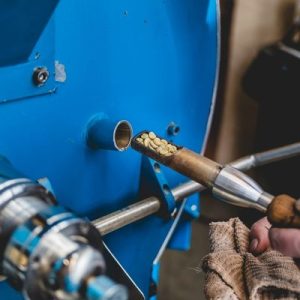 Quick-connect and push-to-connect pneumatic couplings are widely used where speed, ease, and efficiency matter most. These couplings allow you to connect or disconnect air lines instantly, without tools. You push the tube into the fitting, and the internal locking mechanism securely holds it in place. This design significantly reduces installation time and minimizes downtime during maintenance or line changes.
You’ll often find these couplings in automated production lines, assembly stations, packaging machines, and pneumatic control systems. These couplings, due to their user-friendly nature, are perfect for environments that frequently change hoses or equipment. A built-in sealing ring ensures a tight, leak-free connection, helping maintain consistent air pressure and energy efficiency.
From a safety perspective, quick-connect styles reduce handling effort and lower the risk of improper installation. When manufactured with precision-grade materials, they perform reliably even under continuous operation. At Attri Tech Machines, we focus on dimensional accuracy and durable finishes to deliver long service life and dependable performance. If you’re looking for convenience without compromising system integrity, quick-connect and push-to-connect couplings are an innovative and practical choice.
Threaded Couplings for High-Pressure Stability
Threaded pneumatic couplings are designed for applications where strength and pressure stability are critical. These couplings use precisely machined threads to create a solid mechanical connection between components. Once tightened, the joint resists vibration, pressure fluctuations, and accidental disconnection, making it ideal for demanding industrial environments.
You’ll typically see threaded couplings in high-pressure air systems, heavy engineering equipment, energy sector machinery, and fixed installations where lines remain in place for long periods. When used with the proper sealing methods, such as thread seal tape or sealing compounds, these couplings effectively prevent leaks and remain very reliable over time.
One key advantage is control. You can fine-tune the tightness to suit system requirements, ensuring optimal pressure retention. Threaded designs also withstand higher temperatures and harsher operating conditions than quick-connect options. Precision machining is essential here, as even minor inaccuracies can lead to leaks or thread damage.
At Attri Tech Machines, we manufacture threaded couplings with strict quality control and global standards in mind. If your system demands stability, pressure resistance, and long-term durability, threaded pneumatic couplings offer the confidence and performance you need.
Plug and Socket Design Variants
Plug-and-socket pneumatic couplings are among the most versatile and widely used designs across industries. This system consists of two main parts: a plug attached to the air hose and a socket connected to the air supply. When inserted, the socket locks onto the plug, allowing air to flow instantly.
What makes this design valuable is its flexibility. You can connect and disconnect tools quickly while maintaining a secure seal. Many socket designs include an automatic shut-off valve, which stops airflow the moment you disconnect. This feature improves safety and prevents sudden air release that could harm operators or equipment.
Plug-and-socket couplings are widely used in workshops, automotive plants, agricultural equipment, and industrial machinery. Different profiles and standards are available to suit specific pressure ranges and flow requirements. Choosing the correct variant ensures smooth airflow and consistent tool performance.
Our experience in export manufacturing enables us to produce plug-and-socket couplings that meet international compatibility standards. With precision engineering and durable materials, these couplings deliver reliability you can trust. If your operation values convenience, safety, and adaptability, plug-and-socket designs are a dependable solution.
Specialty Form Factors for Specific Equipment
Specialty pneumatic couplings are designed for unique applications where standard fittings won’t work. These form factors address space constraints, unusual pressure demands, or equipment-specific requirements. Examples include swivel couplings, compact low-profile designs, multi-port connectors, and high-temperature-resistant fittings.
You’ll find specialty couplings in aerospace systems, advanced automation, energy infrastructure, and custom-built machinery. Swivel couplings allow hoses to rotate freely, reducing stress and extending hose life. Compact designs fit into tight spaces without sacrificing airflow. Multi-port couplings streamline complex pneumatic circuits by reducing the number of individual connections.
Safety and performance are paramount in these applications. A poorly designed coupling can lead to leaks, pressure loss, or system failure. That’s why precision engineering, material selection, and thorough testing are essential.
At Attri Tech Machines, we work closely with clients to develop custom and specialty pneumatic couplings that meet exact operational needs. With a focus on quality, durability, and compliance with global standards, these specialized solutions help you achieve optimal performance, even in the most demanding environments.
Materials Used for Quality Couplings
When it comes to manufacturing high-quality couplings, material selection makes all the difference. The right material directly impacts performance, safety, durability, and long-term reliability. At Attri Tech Machines, hands-on manufacturing experience demonstrates that choosing the right material ensures consistent results across demanding applications.
Metal materials remain the most widely used for couplings. Brass offers excellent machinability and dependable sealing, making it ideal for fluid transfer and pneumatic systems. When strength, cleanliness, and resistance to high pressure and temperature are necessary, stainless steel is the best choice. Several industries depend on stainless steel in high-performance environments that demand uncompromising safety and longevity. Aluminum provides a strong yet lightweight solution, helping improve efficiency in automotive, portable machinery, and industrial equipment.
Beyond metals, polymer and composite materials continue to gain popularity. These materials reduce vibration, resist chemicals, and prevent corrosion entirely. In applications with controlled pressure and temperature, polymer-based couplings help lower maintenance expenses while delivering reliable operation. Composite variants further enhance strength without adding unnecessary weight.
Material choice also affects how a coupling performs under pressure and temperature changes. Metals handle higher limits, while advanced polymers offer flexibility and protection in moderate conditions. Corrosion resistance is another critical factor, especially in environments exposed to moisture, chemicals, or outdoor conditions.
Understanding material behavior helps protect equipment, improve system efficiency, and ensure safe operation. Informed material selection lays the foundation for dependable couplings that perform consistently and meet global quality expectations.
Metal Options: Brass, Stainless Steel, Aluminum
When choosing quality couplings, material selection plays a significant role in performance, safety, and service life. At Attri Tech Machines, daily manufacturing experience shows how metal choices directly influence real-world results. Brass, stainless steel, and aluminum remain the most trusted metal options across industries.
Brass couplings offer excellent machinability and consistent sealing performance. Many customers prefer brass for pneumatic systems, fluid transfer lines, and low- to moderate-pressure applications. Brass also offers natural corrosion resistance, especially in water-based environments, making it suitable for plumbing, agriculture, and light industrial applications.
Stainless steel stands out when strength, hygiene, and durability matter most. High-grade stainless steel handles extreme pressure and temperature conditions with ease. Food processing, chemical handling, aerospace, and energy sectors often rely on stainless steel couplings for dependable performance under stress. This material also supports strict safety and cleanliness requirements, which help reduce risk in sensitive operations.
Aluminum couplings bring the advantage of lightweight strength. Many industries choose aluminum where weight reduction improves efficiency, such as automotive systems, portable machinery, and robotics. Aluminum also supports excellent corrosion resistance while maintaining cost efficiency.
Each metal option serves a clear purpose. Understanding application demands helps ensure the right balance between strength, cost, weight, and long-term reliability. Material expertise allows better decisions and safer system performance from day one.
Polymer and Composite Variants
Modern coupling design no longer relies solely on metals. Polymer and composite variants now offer practical solutions for many industrial and commercial applications. At Attri Tech Machines, hands-on manufacturing experience shows how advanced polymers deliver impressive performance when selected correctly.
Polymer couplings provide excellent flexibility, vibration absorption, and chemical resistance. Many systems benefit from reduced wear on connected components, thanks to lower friction and improved shock absorption. Polymer materials also help reduce electrical conductivity, supporting safe operation in electrical and electronic environments.
Composite couplings combine polymers with reinforcing fibers to enhance strength and stability. These designs offer higher load capacity while maintaining lightweight advantages. Industries such as automation, packaging, and material handling often prefer composite couplings for smooth torque transmission and noise reduction.
Another key benefit includes resistance to moisture, oils, and many chemicals. Unlike some metals, polymer and composite materials do not rust, reducing maintenance needs over time. Temperature tolerance varies by formulation, so proper selection remains critical for reliable service.
Polymer-based solutions also support cost-effective manufacturing without sacrificing functional performance. For applications where extreme pressure or heat remains limited, polymer and composite couplings provide a dependable and efficient alternative. Informed material selection ensures safe operation, long service life, and consistent system performance across industries.
Material Impact on Pressure and Temperature Tolerance
Pressure and temperature tolerance define the safe operating limits of any coupling system. Material choice directly affects how well a coupling performs under demanding conditions. At Attri Tech Machines, extensive testing and field experience guide every material recommendation.
Metal couplings, especially stainless steel, handle high-pressure and high-temperature environments with confidence. Such materials maintain structural integrity during thermal expansion and pressure fluctuations. The energy, aerospace, and heavy engineering sectors rely on these properties for continuous, safe operations.
Brass supports moderate pressure and temperature ranges, making this option suitable for fluid transfer, compressed air systems, and general industrial use. Aluminum handles moderate pressure while providing faster heat dissipation, which benefits systems that require thermal balance.
Polymer and composite couplings perform best in controlled environments. Advanced polymers tolerate a wide range of temperatures depending on formulation. Some composites withstand high pressure while maintaining flexibility. However, extreme heat or sudden pressure spikes require careful evaluation before selection.
Understanding operating conditions prevents system failures, leaks, and safety risks. Matching coupling materials with pressure and temperature demands protects equipment, operators, and production continuity. Correct material selection ensures reliable performance without unnecessary downtime or maintenance expenses.
Corrosion Resistance for Demanding Environments
Corrosion resistance remains a critical factor in coupling performance, especially in harsh or unpredictable environments. Moisture, chemicals, salt exposure, and temperature changes can quickly degrade unsuitable materials. At Attri Tech Machines, corrosion protection remains a core design priority.
Stainless steel offers exceptional resistance against rust, oxidation, and chemical exposure. Marine, chemical processing, and food-grade industries depend on stainless steel couplings for long-term reliability. Proper alloy selection further enhances resistance in aggressive environments.
Brass naturally resists corrosion in water-based systems and humid conditions. Many agricultural and plumbing applications benefit from this durability. Aluminum forms a protective oxide layer that shields the surface from further degradation, making aluminum suitable for outdoor and lightweight industrial use.
Polymer and composite couplings provide complete immunity to rust. Chemical plants, wastewater systems, and electrical installations often choose these materials to avoid corrosion-related failures. Such materials also eliminate galvanic corrosion risks when connected to dissimilar metals.
Selecting corrosion-resistant materials extends service life, reduces maintenance, and improves system safety. Environmental awareness and application knowledge help ensure couplings perform reliably, even in the most demanding operating conditions.
Speed of Connection and Disconnection
In modern manufacturing and industrial operations, speed plays a critical role in productivity, safety, and cost control. Fast connection and disconnection systems help keep operations moving without unnecessary delays. At Attri Tech Machines, we understand that every second saved during setup, changeover, or maintenance directly impacts output and profitability. Quick connection mechanisms allow teams to assemble, dismantle, or reconfigure systems with minimal effort, even in demanding environments.
When working with hydraulic, pneumatic, or fluid transfer systems, slow or complex connections often lead to downtime, operator fatigue, and a higher risk of errors. Fast connection solutions remove these challenges by offering smooth engagement, secure locking, and reliable sealing in a single motion. This approach supports continuous workflow and reduces the pressure on maintenance teams during time-sensitive operations.
Speed does not mean compromise. Well-designed quick coupling systems maintain high pressure ratings, leak resistance, and long service life. Through precision engineering and strict quality control, these systems deliver both performance and safety. Every part at Attri Tech Machines undergoes rigorous testing to ensure reliable performance even after multiple connections and disconnections.
For industries such as automotive, aerospace, energy, and heavy engineering, fast connection systems support lean manufacturing goals and global quality standards. By choosing advanced coupling solutions, operations remain efficient, safe, and ready to adapt to changing production needs without disruption.
Engineering Principles of Quick Coupling Mechanisms
Quick coupling mechanisms rely on simple yet highly effective engineering principles. The core objective is to create a secure connection that forms instantly and releases just as easily, without tools. Precision tolerances, balanced force distribution, and reliable sealing methods form the foundation of these systems. At Attri Tech Machines, design teams prioritize mechanical stability and ease of use during every development stage.
Internal components such as locking balls, sleeves, springs, and seals work together in a controlled sequence. When pressure is applied during connection, the locking elements engage automatically, creating a tight and stable joint. During disconnection, controlled release prevents sudden movement or fluid loss. This balance ensures safety while maintaining speed.
Material selection also plays a significant role. High-grade alloys, hardened steel, and corrosion-resistant finishes help maintain performance under pressure, temperature changes, and repeated cycles. Seal materials are carefully selected to withstand fluids, gases, or air without degrading. This engineering approach supports long-term reliability even in harsh operating conditions.
Every quick coupling system must comply with international standards for pressure ratings, flow efficiency, and safety. At Attri Tech Machines, experience across global industries helps refine designs that perform consistently in real-world applications. Through advanced manufacturing processes and continuous testing, these mechanisms deliver dependable performance that supports both operational efficiency and workplace safety.
Push-In and Quick-Release Designs Explained
Push-in and quick-release designs simplify connections by reducing steps and eliminating the need for tools. With a push-in system, a simple insertion motion activates internal locking elements that secure the connection instantly. This design suits applications that require frequent connections, such as pneumatic lines, automation systems, and assembly stations. Ease of use allows operators of all skill levels to work confidently and efficiently.
Quick-release designs focus on controlled disconnection. A sleeve or button mechanism allows safe release with minimal effort. This feature prevents sudden separation, pressure bursts, or fluid spills. By maintaining control during disconnection, safety risks decrease while productivity improves. Every design at Attri Tech Machines strikes a balance between operational security and convenience.
Both designs rely on precision-machined components and high-quality seals. These elements ensure leak-free performance even after repeated use. Smooth engagement also reduces wear on mating parts, extending overall system life. In high-cycle environments, this advantage translates into lower maintenance expenses and consistent performance.
Push-in and quick-release solutions facilitate dependable operation and quick workflows in heavy engineering and industrial machinery. Through extensive industry experience and strict quality standards, Attri Tech Machines delivers designs that combine simplicity, strength, and long-term dependability for global manufacturing needs.
Minimizing Downtime During Maintenance
Maintenance efficiency directly affects production schedules and operational expenses. Quick connection systems play a significant role in reducing downtime by allowing rapid disassembly and reassembly. When maintenance teams can quickly isolate, replace, or service components, production resumes sooner, and losses remain under control. At Attri Tech Machines, this benefit remains a key focus during product development.
Traditional connection methods often require tools, alignment checks, and extended handling time. Quick couplings remove these delays by offering intuitive operation and repeatable performance. Maintenance tasks become straightforward, even in tight spaces or complex systems. This simplicity reduces human error and supports safer working conditions.
Fast connections also support preventive maintenance strategies. Regular inspections and component replacements can be performed without interrupting entire systems. This proactive approach improves equipment life and reduces unexpected failures. For industries operating under strict delivery timelines, such reliability proves essential.
By minimizing downtime, operations gain flexibility and resilience. At Attri Tech Machines, experience across export markets ensures designs meet real maintenance challenges faced on factory floors worldwide. Each coupling solution reflects a commitment to efficiency, safety, and long-term operational value.
Safety Features in Fast Connection Systems
Safety remains a top priority in rapid connection systems, especially when handling pressure, fluids, or moving equipment. Advanced safety features protect both operators and machinery during connection and disconnection. At Attri Tech Machines, every design integrates safety as a core function rather than an afterthought.
Key safety elements include automatic locking, pressure-balanced release, and leak prevention seals. These features prevent accidental disconnection and reduce exposure to hazardous media. Visual indicators often confirm proper engagement, allowing operators to verify secure connections at a glance. Such clarity supports confidence and reduces workplace incidents.
Controlled disconnection mechanisms also play a vital role. By releasing pressure gradually, these systems avoid sudden movement or fluid spray. This controlled action protects surrounding equipment and reduces the risk of injury. In high-pressure environments, such features become essential for compliance with global safety standards.
Through rigorous testing and quality assurance, Attri Tech Machines ensures each fast connection system performs safely under real operating conditions. Commitment to international standards, combined with hands-on manufacturing expertise, delivers solutions that support safe, efficient, and reliable operations across diverse industries worldwide.
Ensuring Secure Seals and Leak Prevention
In any pneumatic or industrial air system, secure sealing is not optional; it is essential. Even a small leak can reduce system efficiency, increase energy costs, and create safety risks on the shop floor. At Attri Tech Machines Pvt. Ltd., we focus heavily on seal integrity because experience shows that reliable seals protect both equipment and people.
When compressed air escapes through weak joints, compressors work harder to maintain pressure. This leads to higher power consumption and faster machine wear. A well-sealed connection keeps air exactly where it belongs and helps maintain consistent performance throughout the system.
Secure sealing also plays a key role in workplace safety. Sudden air loss can cause hose whip, tool malfunction, or unexpected shutdowns. These issues put operators at risk and interrupt production schedules. That is why proper seal design, material selection, and assembly practices matter so much.
From high-quality couplings to carefully made fittings, every part needs to help prevent leaks in real working situations. Heat, vibration, pressure changes, and frequent connections all challenge sealing performance. Addressing these factors early ensures long-term reliability.
When you prioritize secure seals, you gain more than efficiency. You gain confidence that your system will perform as expected, shift after shift. Leak prevention is not just about saving air; it is about protecting operations, investments, and people.
Seal Types and Their Performance
Choosing the correct seal type makes a noticeable difference in system performance. Seals create the barrier that keeps compressed air from escaping, and each seal design serves a specific purpose. Standard options include O-rings, lip seals, flat gaskets, and bonded seals.
O-rings remain popular because of their simple design and reliable performance under moderate pressure. When properly sized and installed, O-rings provide consistent sealing with minimal maintenance. Lip seals handle dynamic motion well, making them a good choice for applications involving movement or vibration.
Material choice matters just as much as seal design. Rubber, nitrile, polyurethane, and fluoropolymer materials offer varying levels of resistance to heat, oil, moisture, and pressure. Matching seal material to operating conditions prevents early failure and leakage.
Manufacturing experience indicates that subjecting seals to conditions beyond their design limits quickly reduces their performance. High temperatures can harden seals. Chemical exposure can cause swelling or cracking. Incorrect material selection leads to leaks even in well-machined components.
Understanding seal types helps you make informed decisions during system design and maintenance. When seals match application demands, air systems run smoother, last longer, and require fewer repairs.
Sealing Challenges at High Frequencies
High-frequency operations place extra stress on seals. Repeated connections, disconnections, vibration, and pressure cycling can wear sealing surfaces faster than expected. Over time, the resultant wear leads to micro-leaks that often go unnoticed until performance drops.
Frequent tool changes or automated systems push seals to operate continuously. Heat buildup, friction, and material fatigue become real concerns. In such conditions, standard seals may not deliver consistent performance.
Precision machining helps reduce these challenges. Smooth surface finishes and accurate tolerances support better seal contact and reduce wear. At Attri Tech Machines Pvt. Ltd., design teams focus on these details because high-frequency environments demand more than basic solutions.
Lubrication also plays a role. Proper lubrication reduces friction and extends seal life, especially in fast-moving or vibrating systems. However, lubrication must match the seal material to avoid damage.
By understanding high-frequency challenges early, you can select stronger materials, better designs, and suitable maintenance practices. This approach minimizes leaks and keeps systems stable under demanding workloads.
Best Practices for Leak-Free Assembly
Leak-free performance starts at the assembly stage. Even the best seal will fail if installation lacks care. Clean components first. Dust, metal chips, or oil residue can prevent proper sealing.
Correct alignment matters. Misaligned fittings place uneven pressure on seals and create leak paths. Please always verify that you have straight connections before tightening. Over-tightening causes just as much trouble as loose assembly by damaging seals or deforming components.
Use recommended torque values and proper tools. Guesswork often leads to crushed seals or cracked housings. Following manufacturer guidelines ensures consistent results.
Seal inspection also helps. Please be sure to look for cuts, twists, or surface damage before assembly. Replacing a damaged seal early costs far less than fixing leaks later.
When assembly follows proven practices, systems perform better from day one. Leak-free assembly saves time, energy, and maintenance effort while improving overall reliability.
Testing Techniques for Assurance
Testing confirms whether seals perform as expected under real conditions. Without proper testing, small leaks can remain hidden until system failure occurs. Pressure testing remains one of the most effective methods. By pressurizing the system and monitoring the pressure drop, leaks become easy to detect.
Soap solution testing offers a simple visual check. Bubbles form at leak points, making identification quick during installation or maintenance. For advanced applications, airflow testing and automated leak-detection systems deliver accurate results.
Regular testing supports preventive maintenance. Catching leaks early reduces downtime and protects equipment from unnecessary stress. At Attri Tech Machines Pvt. Ltd., testing forms a core part of quality assurance before export and delivery.
Reliable testing builds trust in system performance. When seals pass thorough checks, you gain confidence that operations will remain safe, efficient, and dependable over the long term.
Pressure, Flow, and Performance Characteristics
In pneumatic systems, pressure and flow work together to define overall performance. If you understand how these two factors interact, you can avoid many typical efficiency and safety issues. “Pressure” refers to the force of compressed air, while “flow” refers to how much air moves through the system over a given time. Both are equally important, and focusing on only one often leads to poor results.
When pressure is too low, tools and actuators feel weak, cycle times increase, and output becomes inconsistent. Excessive pressure wastes energy, accelerates seal wear, and heightens safety risks. Flow, on the other hand, determines speed and responsiveness. Even with high pressure, insufficient flow can slow down operations and reduce productivity.
The balance of pressure and flow throughout the entire system determines performance characteristics. Components such as couplings, hoses, valves, and fittings must all support the required airflow without causing excessive pressure drops. Minor restrictions add up quickly, especially in high-demand industrial environments.
At Attri Tech Machines Pvt. Ltd., we design components with a profound understanding of real-world operating conditions. Our experience across global industries helps ensure stable pressure delivery and smooth airflow under load. When pressure and flow are correctly matched, systems run cooler, last longer, and operate more safely. By paying attention to these fundamentals, you protect your equipment, reduce operating costs, and achieve reliable, repeatable performance every day.
Coupling Ratings and System Requirements
Coupling ratings define the maximum pressure and flow a coupling can safely withstand. These ratings are not suggestions; they are limits designed to protect people, equipment, and production schedules. When selecting a coupling, you must always match its rating to the actual system requirements, not just the compressor output.
Pressure ratings indicate the maximum working pressure a coupling can withstand. Exceeding this limit increases the risk of leaks, sudden disconnection, or component failure. Flow ratings show how much air the coupling can pass without creating excessive pressure loss. A coupling with poor flow capacity can become a bottleneck, even in a well-designed system.
System requirements depend on application type, duty cycle, and environmental conditions. High-frequency operations need durable couplings with consistent performance. Harsh environments require materials that resist corrosion, vibration, and temperature changes. Ignoring these factors often leads to downtime and safety concerns.
At Attri Tech Machines Pvt. Ltd., we apply strict quality control and global standards to ensure accurate coupling ratings you can trust. Our export-focused manufacturing experience enables us to support diverse industrial needs confidently. By choosing couplings that align with real operating demands, you ensure smoother performance, safer operation, and longer service life across your pneumatic system.
Flow Capacity and Inner Diameter Considerations
The inner diameter of a coupling or fitting directly influences flow capacity. A larger inner diameter allows more air to pass through with less resistance, which improves tool speed and system responsiveness. Many performance issues begin with components that look fine on the outside but restrict airflow internally.
When air passes through a narrow opening, velocity increases and pressure drops. This leads to energy loss and uneven performance at the point of use. Even a slight reduction in inner diameter can significantly affect flow, especially in high-demand applications such as automation lines or continuously running air tools.
Choosing the correct inner diameter means understanding how much air your equipment actually needs. Oversizing may add cost, but undersizing almost always leads to inefficiency. Consistency also matters. Mixing different diameters across the system creates turbulence and unpredictable results.
At Attri Tech Machines Pvt. Ltd., we design precision-engineered couplings with optimized internal profiles to support smooth airflow. Our manufacturing expertise ensures accurate dimensions and tight tolerances. When the inner diameter and flow capacity are correctly matched, compressors work more efficiently, tools perform better, and energy consumption drops. This balance plays a key role in building reliable and cost-effective pneumatic systems.
High-Speed vs High-Pressure Tradeoffs
Every pneumatic system involves a tradeoff between speed and pressure. High-speed applications require strong airflow, while high-pressure applications focus on force. Trying to maximize both without a proper design often leads to inefficiency and premature wear.
High-speed operations, such as rapid pick-and-place systems, depend on high flow rather than extreme pressure. Restrictions in couplings or fittings slow movement and reduce accuracy. High-pressure applications, such as clamping or pressing, require components that can withstand elevated forces without deformation or leakage.
Increasing pressure to compensate for low flow is a common mistake. This approach raises energy costs and stresses components without solving the root problem. The more innovative solution is selecting components designed for the specific performance goal.
At Attri Tech Machines Pvt. Ltd., we help balance these tradeoffs through application-focused component design. Our experience across heavy engineering, automotive, and industrial machinery allows us to deliver solutions that support either speed, pressure, or the right mix of both. When tradeoffs are understood and managed correctly, systems operate efficiently, safely, and predictably over long production cycles.
Matching Couplings to Pneumatic Tools and Actuators
Matching couplings to pneumatic tools and actuators is essential for consistent performance and operator safety. Every tool and actuator has specific air requirements, including pressure, flow, and connection type. Using a mismatched coupling can reduce power, increase air loss, and shorten equipment life.
Air tools such as grinders or impact wrenches demand high flow for continuous operation. Actuators, on the other hand, may require precise pressure control for smooth and repeatable motion. Couplings must support these needs without causing restrictions or leaks.
Connection security also matters. Quick-connect couplings improve efficiency, but they must lock firmly under load. Poor-quality couplings risk accidental disconnection, which can cause injury or equipment damage. Material selection is equally important, especially in environments with vibration, moisture, or temperature variation.
At Attri Tech Machines Pvt. Ltd., we manufacture export-quality couplings designed to integrate seamlessly with a wide range of pneumatic tools and actuators. Our focus on precision, durability, and global standards ensures dependable performance in demanding applications. When couplings are correctly matched, tools deliver full power, actuators move smoothly, and your entire system operates with confidence and control.
Installation Best Practices
Correct installation is just as important as selecting the proper pneumatic coupling. Even the highest-quality component can underperform or fail if installed incorrectly. A well-installed coupling ensures leak-free performance, stable pressure, and long service life. From our manufacturing and export experience, we’ve seen how minor installation errors can lead to safety risks, energy loss, and costly downtime. That’s why following proven installation best practices matters.
When you approach installation with the proper preparation, tools, and checks, you protect both the system and everyone working around it. Cleanliness, alignment, and proper tightening all contribute to achieving reliable results. Installation should never feel rushed or improvised. Taking a few extra minutes to follow the correct steps helps prevent long-term issues and supports compliance with global safety standards.
These best practices ensure consistent, safe performance whether you’re installing couplings for the first time or maintaining an existing system. The sections below walk you through each critical step in a clear, practical way, so you can install with confidence and avoid common mistakes from the start.
Preparing Tubing and Ports for Connection
Proper preparation of tubing and ports lays the foundation for a secure and leak-free pneumatic connection. You can start by cutting the tubing cleanly and squarely using a proper tube cutter. Uneven or angled cuts can damage internal seals and cause air leaks over time. Avoid using blunt tools, as crushed or deformed tubing won’t seat correctly inside the coupling.
Next, carefully inspect the tubing end. Remove any burrs, sharp edges, dust, oil, or metal particles. Even small contaminants can interfere with sealing and reduce coupling life. A clean, smooth surface allows the internal gripping mechanism to hold the tube firmly and evenly. If the tubing shows cracks, flattening, or wear, replace it before installation.
Ports also need attention. Clean the threaded or push-fit port using a lint-free cloth. Check for damaged threads, dents, or leftover sealant from previous fittings. Any imperfection can compromise the connection and create safety risks under pressure. For threaded ports, apply the correct sealing method evenly, without overloading the threads.
Good preparation reduces installation force, prevents early failure, and ensures consistent air flow. When tubing and ports are prepared correctly, the coupling performs exactly as designed, delivering reliability and long-term efficiency from the very first cycle.
Torque and Alignment Requirements
Correct torque and proper alignment are critical to achieving a stable and safe pneumatic connection. Over-tightening can damage threads, deform seals, and weaken the coupling body. Under-tightening, on the other hand, can cause air leaks, vibration-related loosening, and sudden disconnection during operation. The goal is controlled, even tightening that matches the coupling’s design limits.
Please always check that the tubing or fitting is aligned straight with the port before tightening. Misalignment puts uneven stress on the coupling and shortens its service life. For threaded couplings, start tightening by hand to ensure threads engage smoothly. This helps avoid cross-threading, which can permanently damage both the coupling and the port.
Use a torque wrench whenever possible, especially in high-pressure or safety-critical systems. Follow the recommended torque values provided for the specific coupling size and material. Consistent torque improves sealing performance and helps maintain system pressure without unnecessary strain.
For push-to-connect fittings, please make sure the tube is fully inserted until it reaches the internal stop. A partial insertion may feel secure at first, but can fail under pressure. Proper alignment and torque protect the integrity of the system and reduce maintenance needs. When done right, the connection stays tight, reliable, and safe throughout its operating life.
Detecting Improper Fit and Early Failures
Early detection of improper fit can save time and money and prevent safety incidents. After installation, visually inspect each coupling. Look for gaps, uneven seating, or misaligned tubing. A correctly installed coupling should sit flush, with no visible distortion or strain on the connection.
You can listen for hissing sounds once air pressure is applied. Even a faint noise can indicate a leak. Use a mild soap solution around the joint to check for bubbling, which clearly shows escaping air. Pressure drops, inconsistent tool performance, or frequent compressor cycling also point to connection issues.
Pay attention during the first few hours of operation. Vibrations, temperature changes, and pressure fluctuations can quickly reveal weak connections. If tubing slips, rotates excessively, or pulls out easily, the fit is not secure. Addressing these signs early prevents sudden failures during the whole operation.
Never ignore small leaks or minor movement. These issues often grow worse over time and can lead to a complete system shutdown or equipment damage. Regular inspection builds confidence in the installation and supports safe, efficient operation. A properly fitted coupling should feel solid, perform quietly, and maintain steady pressure without constant adjustment.
Checklist for First-Time Installations
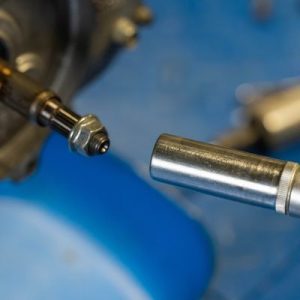 A clear checklist helps ensure nothing is missed during first-time pneumatic coupling installations. Could you start by confirming that the coupling type, size, and pressure rating match the application? Using the wrong specification can compromise safety and performance from the start.
Inspect tubing and ports for cleanliness and damage. Cut tubing square, remove burrs, and clean all surfaces thoroughly. Verify that threads are in excellent condition and free from debris. Apply the correct sealing method where required, using only recommended materials.
Verify the alignment before tightening. Insert tubing fully into push-fit couplings and hand-tighten threaded fittings before applying tools. Use proper torque values and avoid forcing the connection. Once installed, pressurize the system gradually and observe for leaks, noise, or movement.
Could you document the installation details, including torque values and inspection results? This helps with future maintenance and troubleshooting. Recheck connections after initial operation to confirm stability.
Following a structured checklist builds positive habits and reduces installation errors. It also supports workplace safety and system reliability. With careful attention at every step, you ensure the coupling performs as intended and delivers long-term, trouble-free service from day one.
Maintenance, Durability, and Lifespan
Couplings play a critical role in keeping machinery running smoothly, and their maintenance directly affects safety, efficiency, and operational expenses. At Attri Tech Machines, years of manufacturing and field experience show that proper care significantly extends coupling lifespan, even in demanding industrial environments.
In high-cycle operations, couplings experience repeated stress from constant motion, torque transmission, and load changes. Over time, this leads to predictable wear patterns, such as surface abrasion, reduced flexibility, or minor deformation. Regular inspection helps identify these early signs before they turn into serious failures that can damage connected equipment.
Environmental conditions also impact durability. Exposure to heat, moisture, dust, chemicals, or vibration accelerates material fatigue. Temperature fluctuations can cause expansion and contraction, while corrosive environments weaken materials if left unchecked. Selecting the right coupling material helps, but ongoing monitoring remains essential for long-term reliability.
Knowing when to replace a coupling is just as important as maintaining it. Unusual noise, excessive vibration, visible cracks, misalignment issues, or reduced performance all indicate the need for immediate replacement. Timely replacement prevents unexpected breakdowns and protects operator safety.
Simple maintenance routines make a significant difference. Regular cleaning, proper alignment checks, lubrication where required, and torque verification help maintain consistent performance. Keeping maintenance schedules documented also supports better decision-making and compliance with safety standards.
With proper maintenance, couplings deliver dependable performance, reduce downtime, and protect valuable equipment. Consistent care ensures long-term efficiency and supports smooth, safe industrial operations.
Wear Patterns in High-Cycle Operations
In high-cycle operations, couplings endure continuous movement, torque changes, and repetitive loading. Over time, this causes predictable wear patterns that can affect machinery efficiency if left unmonitored. Common signs include surface abrasion, slight deformation, loosening of connections, and reduced flexibility.
Attri Tech Machines’ experience shows that even the highest-quality couplings experience micro-wear during prolonged use. For example, metallic couplings might develop minor surface scratches or fatigue cracks, while polymer-based couplings could experience material compression or surface flattening. These issues often begin subtly but can escalate quickly if operations continue without inspection.
Understanding these wear patterns helps plan maintenance and avoid unexpected downtime. Visual inspections combined with performance monitoring, such as vibration, noise, or heat checks, reveal early warning signs. In high-cycle industrial applications like automotive assembly lines or heavy engineering machinery, identifying wear early ensures smooth operations and protects more expensive connected components from damage.
High-cycle wear is inevitable, but careful selection of the coupling material, proper alignment, and routine inspection significantly extend the coupling’s operational life, keeping machinery running efficiently and safely.
Environmental Stress and Fatigue Impacts
Couplings do more than connect shafts; they face environmental challenges that accelerate fatigue. Heat, moisture, chemicals, dust, and vibration all contribute to material degradation. Metal couplings can corrode or weaken under moisture or chemical exposure, while polymers may stiffen or crack under extreme temperatures.
Fatigue develops when a coupling is repeatedly stressed beyond its ideal limits, even if the load seems moderate. This can occur due to misalignment, uneven torque, or vibration from surrounding machinery. Over time, fatigue reduces a coupling’s ability to transfer energy efficiently, increasing the risk of mechanical failure.
Understanding environmental stress is key to durability. Attri Tech Machines’ engineers emphasize selecting materials suitable for the specific environment and regularly monitoring conditions. For example, stainless steel handles corrosive or high-temperature conditions well, while composite couplings perform better in damp or chemically aggressive settings.
By accounting for environmental and wear factors, operators can avoid sudden breakdowns, prolong part life, and keep things running smoothly even in harsh industrial conditions.
When to Replace Couplings for Reliability
Replacing a coupling at the right time is crucial to reliability and safety. Delaying replacement can lead to costly downtime, equipment damage, or even accidents. Common indicators that a coupling needs replacement include unusual vibrations, abnormal noise, visible cracks, excessive backlash, or recurring misalignment.
Attri Tech Machines’ experience demonstrates that proactive performance monitoring can prevent many failures. For instance, a coupling that shows minor wear during inspection may still operate but could fail under full load. Replacing parts on time lowers the chance of major failures and keeps production lines running smoothly.
Maintenance schedules should account for operating hours, environmental conditions, and load conditions. High-speed, high-torque applications may require more frequent inspections and earlier replacements than slower, less demanding setups. Documenting inspection results helps identify trends and anticipate replacements before issues arise.
Strategic replacement not only improves system reliability but also reduces long-term costs by preventing secondary damage to motors, shafts, or connected machinery. Consistent monitoring and proactive replacement are key to uninterrupted and safe operations.
Maintenance Routines for Long-Term Efficiency
Regular maintenance is the foundation of coupling longevity and operational efficiency. Simple, consistent routines can prevent wear, reduce downtime, and maintain system performance. Key tasks include cleaning couplings to remove dust or debris, checking alignment between connected shafts, inspecting for cracks or deformation, and applying lubrication when recommended.
Attri Tech Machines recommends scheduling maintenance based on operating conditions, load cycles, and environmental exposure. High-speed machinery or harsh chemical environments demand more frequent inspections. Routine checks of torque, vibration, and noise levels also help detect issues before they escalate.
Documentation is another important aspect. Recording maintenance activities and observations helps track component health over time and supports better planning for replacements or upgrades. Teams that follow structured maintenance protocols often see extended service life, smoother operations, and fewer unplanned stoppages.
By prioritizing routine care, operators can maximize the efficiency, safety, and durability of couplings, ensuring that industrial systems continue to run reliably throughout their expected lifespans.
Choosing Attri Tech Machines for Pneumatic Couplings for Fast, Secure, and Efficient Connections
When selecting pneumatic couplings, the goal stays simple: rapid connections, secure operation, and long-term efficiency. At Attri Tech Machines, we design pneumatic coupling solutions with real industrial challenges in mind. You work in environments where reliability matters every single day, and we build components that support that reality without compromise.
Our pneumatic couplings help reduce air loss, improve system response, and simplify daily operations. Quick and smooth connections save time during installation and maintenance, while secure locking ensures consistent performance under pressure. This balance between speed and safety lets you focus on productivity rather than frequent troubleshooting.
We understand that pneumatic systems often operate under demanding conditions, including high cycle rates, vibration, dust, and temperature variation. That is why our couplings are engineered to perform reliably over a long service life. Every product reflects a profound understanding of global industry standards and export requirements.
By choosing Attri Tech Machines, you partner with a manufacturer that values transparency, quality, and long-term relationships. From automotive assembly lines to industrial machinery and agricultural equipment, our pneumatic couplings support smooth operations across sectors. We do not just supply components; we help you build systems that work efficiently, safely, and consistently.
Precision Manufacturing Expertise in Pneumatic Components
Precision stands at the heart of every pneumatic component we manufacture. At Attri Tech Machines, advanced machining technology and skilled craftsmanship work together to deliver exact dimensions and consistent performance. Tight tolerances ensure smooth airflow, proper sealing, and reliable connections throughout the product life cycle.
You benefit from components that fit perfectly and perform consistently every time. Precision manufacturing reduces wear, prevents misalignment, and supports stable system pressure. This attention to detail improves energy efficiency and reduces unexpected breakdowns, directly protecting operating costs and safety.
Our manufacturing process includes strict inspections at every stage. From raw material selection to final testing, each step follows global quality benchmarks. Years of export experience allow us to meet international standards without shortcuts.
When precision matters, experience makes the difference. We bring hands-on manufacturing expertise to every pneumatic coupling, delivering components built for accuracy, repeatability, and dependable performance in real-world applications.
Durable Products Engineered for Leak-Free Performance
Air leaks cause energy loss, pressure drops, and safety concerns. At Attri Tech Machines, pneumatic couplings are engineered to deliver leak-free performance even under continuous use. Durable materials, high-quality seals, and robust designs work together to protect system integrity.
You get couplings that withstand pressure fluctuations, vibration, and repeated connection cycles without degradation. Strong sealing technology prevents air escape while maintaining smooth operation. This reliability supports stable equipment performance and reduces maintenance frequency.
Durability also means long service life. By using corrosion-resistant finishes and carefully selected alloys, our products perform consistently in challenging industrial environments. This strength ensures fewer replacements and lower total operating expenses over time.
Leak-free performance is not optional; it is essential for safety and efficiency. We design every coupling with this responsibility in mind, ensuring dependable operation across industries and applications.
Customization Options for Unique Application Needs
Every pneumatic system brings unique requirements, and standard solutions do not always fit perfectly. At Attri Tech Machines, customization lets you get pneumatic couplings specifically designed for your application. From size and material selection to pressure ratings and connection types, we work closely with you to meet your exact needs.
Custom solutions help improve system efficiency and simplify integration. When components match operating conditions precisely, performance improves, and risks decrease. This tailored approach also supports specialized industries, including aerospace, heavy engineering, and energy applications.
Our engineering team combines practical experience with technical expertise to guide design decisions. You receive solutions that align with operational goals, safety standards, and long-term reliability expectations.
Customization reflects flexibility and commitment. We focus on understanding your challenges and delivering pneumatic couplings that work seamlessly within your system.
Commitment to Quality, Delivery, and Support
Quality does not end with manufacturing; it continues through delivery and long-term support. At Attri Tech Machines, strict quality control ensures every pneumatic coupling meets performance, safety, and durability standards before shipment.
Timely delivery matters in global supply chains. Efficient export operations and robust logistics planning help ensure products reach you on schedule. This reliability supports production planning and reduces operational stress.
Support remains available whenever needed. Technical guidance, documentation, and responsive communication help you use our products with confidence. We believe trust builds through consistency, honesty, and dependable performance.
By choosing Attri Tech Machines, you choose a partner committed to quality, reliability, and long-term value. Our focus stays on helping you operate safely, efficiently, and successfully across every application.